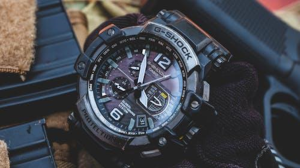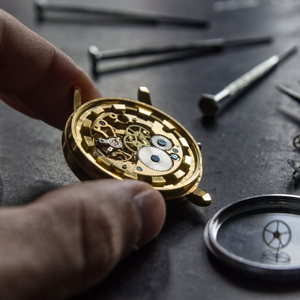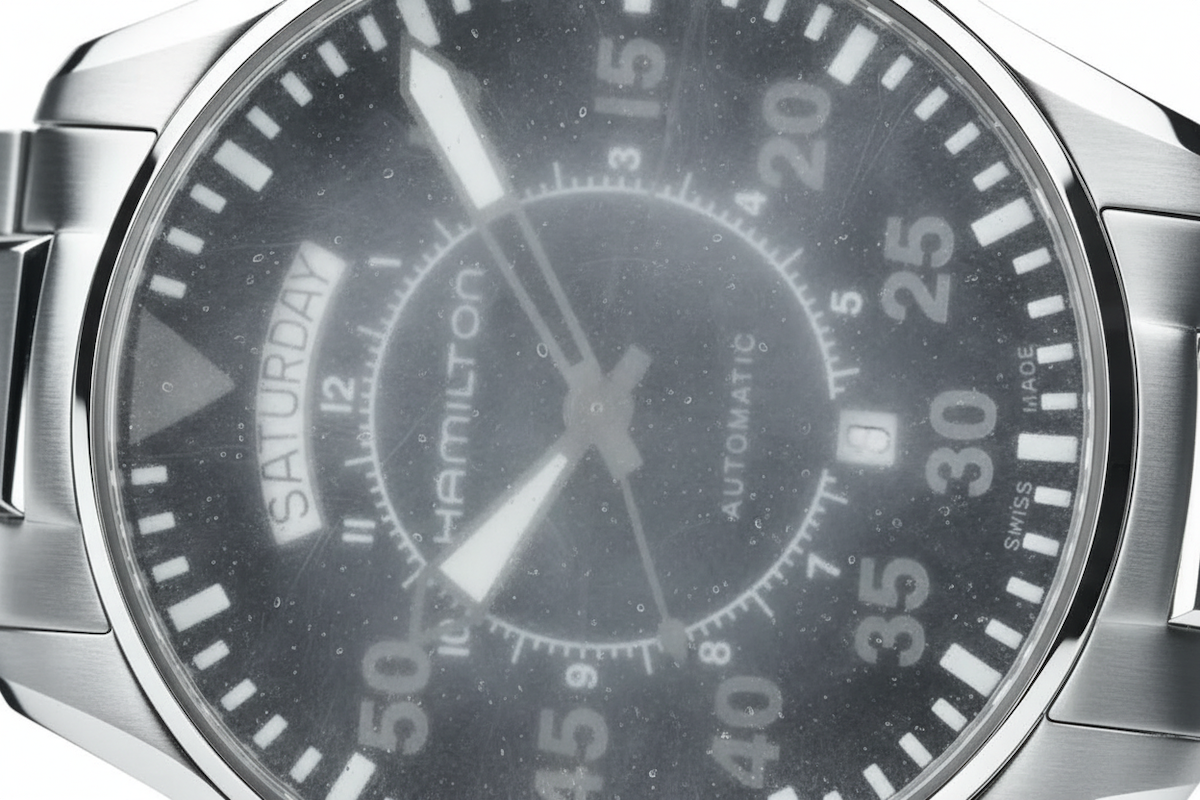
Foggy watch face caused by condensation from humidity and rapid temperature changes, showing moisture buildup on the dial with reduced visibility

How Weather Conditions Cause Watch Faces to Fog

Key Takeaways

  • Fogging happens when moisture gets inside the watch and condenses due to temperature changes and humidity.
  • Rapid temperature shifts and high humidity are the biggest triggers.
  • Water-resistant doesn’t mean fully sealed; worn gaskets and aging seals are common causes.
  • Regular maintenance and avoiding extreme conditions are the best ways to prevent fogging.

Quick Answer: Watch fog occurs when moisture enters the watch case due to sudden temperature changes or high humidity. Prevent it by ensuring your watch is properly sealed and avoiding extreme weather exposure.

You step out of your air-conditioned car into the humid summer air, and within minutes, your trusted timepiece develops a thin layer of fog across its face. Or perhaps you finish a winter hike and warm up by the fire, only to notice condensation clouding your watch crystal. These moments remind you that your watch is not immune to the forces of nature.

Weather conditions affect your timepiece in ways that go beyond simple water resistance ratings. Understanding how atmospheric changes create fogging will help you protect your investment and keep your watch performing at its best, whether you are exploring mountain trails or navigating city streets in changing weather.

What Causes Watch Fog?

Watch fogging happens when moisture finds its way inside your timepiece and condenses on the inner surfaces. This process involves a delicate balance of temperature, humidity, and the integrity of your watch’s sealing system. The science behind it is straightforward, but the conditions that trigger it can catch you off guard.

The Role of Humidity and Temperature

High humidity creates the perfect environment for moisture to penetrate your watch case. When the air around your watch contains significant water vapor, even microscopic gaps in seals can allow moisture to enter. Temperature fluctuations amplify this effect by creating pressure differentials that can draw humid air into your timepiece.

Rapid temperature changes present the greatest risk for condensation. Moving from a cold environment to a warm one causes any moisture inside your watch to condense on the cooler inner surfaces, particularly the underside of the crystal. This phenomenon occurs because warm air holds more moisture than cold air, and when that warm air meets a cold surface, it releases its excess water as droplets.

Is Your Watch Truly Waterproof?

The distinction between water-resistant and waterproof matters more than most people realize. Water-resistant watches can handle specific conditions for limited periods, while truly waterproof timepieces maintain their seal under more demanding circumstances. However, even the most robust sealing systems can deteriorate over time.

Gaskets and seals in your watch serve as the primary defense against moisture intrusion. These rubber or synthetic components compress to create watertight barriers around the case back, crown, and crystal. Age, temperature extremes, and chemical exposure can cause these seals to harden, crack, or lose their elasticity, creating pathways for humid air to enter your watch case.

When Is Watch Fog Most Likely to Happen?

Certain weather patterns and environmental transitions create higher risks for watch fogging. Recognizing these situations allows you to take preventive measures or choose appropriate timepieces for specific conditions.

Fogging Risk Levels by Weather Condition

Weather Condition Fogging Risk Level
High Humidity (e.g., foggy mornings, coastal air) High
Rapid Temperature Changes (e.g., moving from cold to warm) High
Rainy Conditions Moderate to High
Dry, Stable Weather Low
Indoor, Climate-Controlled Environments Low

Foggy Mornings and High Humidity Days

Morning fog often signals atmospheric conditions with relative humidity approaching 100%. During these periods, the air around your watch contains maximum moisture content, increasing the likelihood of vapor penetrating any compromised seals. Coastal regions and tropical climates present ongoing challenges due to consistently high humidity levels throughout the day.

When you wear your watch during foggy conditions, temperature variations between your wrist and the surrounding air can create condensation cycles. Your body heat warms the watch case while the crystal remains exposed to cooler, moisture-laden air. This temperature differential encourages condensation formation on the inner crystal surface.

Cold Weather and Sudden Temperature Changes

Winter activities and cold-weather sports create frequent opportunities for watch fogging. The transition from frigid outdoor temperatures to heated indoor spaces represents one of the most common scenarios for condensation formation. Your watch case, chilled from cold exposure, suddenly encounters warm, humid indoor air.

Mountain climbing, skiing, and winter hiking amplify these risks through rapid elevation and temperature changes. As you move between different climate zones during outdoor activities, your watch experiences repeated thermal cycling that can stress seals and create condensation. Professional outdoor enthusiasts often choose premium timepieces designed for extreme conditions to minimize these issues.

How to Prevent Watch Fogging

Prevention requires both proper maintenance and smart wearing habits. Your approach should combine regular watch care with awareness of environmental conditions that pose fogging risks.

  • Schedule regular professional servicing and pressure testing to ensure seals remain intact.
  • Replace gaskets and seals every two to three years, or as recommended by your watch manufacturer.
  • Avoid exposing your watch to sudden temperature changes; allow gradual acclimation when moving between environments.
  • Keep your watch away from saunas, steam rooms, and hot tubs unless it is specifically rated for steam resistance.
  • Store your watch in a dry, climate-controlled environment when not in use, especially during periods of high humidity.
  • After exposure to water or high humidity, dry your watch thoroughly and inspect for signs of condensation.

Seal the Deal: Ensuring Your Watch Is Properly Sealed

Regular seal maintenance forms the foundation of fog prevention. Gaskets typically require replacement every two to three years, depending on your watch’s exposure to harsh conditions; however, always consult your watch manufacturer’s specifications, as some brands recommend different intervals based on model and usage. Professional pressure testing reveals whether your timepiece maintains its specified water resistance rating.

Annual servicing becomes essential if you frequently expose your watch to extreme temperatures, high humidity, or rapid environmental changes. During these services, technicians inspect all sealing points, replace worn gaskets, and verify that your watch meets its original specifications. This preventive approach costs far less than repairing humidity-related damage after it occurs.

Smart Habits for Outdoor Adventures

G Shock Watch RepairAvoiding extreme humidity exposure when possible protects your timepiece from unnecessary stress. Saunas, steam rooms, and hot tubs create challenging conditions even for watches rated for such environments. Unless your timepiece specifically lists steam resistance in its specifications, these environments pose significant fogging risks.

Gradual temperature acclimation helps prevent condensation formation. When moving between dramatically different temperature zones, allow your watch time to adjust gradually rather than exposing it to sudden changes. This practice proves particularly important during winter sports or travel between climate zones.

What to Do If Your Watch Fogs Up

Immediate action can prevent permanent damage when fogging occurs. Remove your watch and place it in a dry environment with gentle air circulation. Avoid direct heat sources like hair dryers or heating vents, which can damage internal components or warp seals.

Persistent fogging requires professional attention. If condensation does not clear within 24 hours of dry storage, or sooner depending on your watch type and the amount of moisture present, moisture has likely penetrated beyond the crystal area and may affect the movement. Professional watch repair services can properly dry the internal components and identify the source of moisture intrusion.

The Science Behind Watch Fogging

Understanding the physics of condensation helps you anticipate and prevent fogging situations. The process involves specific atmospheric conditions that you can learn to recognize and avoid.

Condensation and Dew Point: A Quick Breakdown

Condensation forms when warm, moisture-laden air contacts a surface cooler than the dew point temperature. Inside your watch, this typically occurs when humid air meets the inner crystal surface. The dew point represents the temperature at which air becomes saturated with water vapor and begins releasing moisture as droplets.

Your watch crystal often becomes the coolest surface inside the case, making it the primary location for condensation formation. When external temperature drops or humidity rises, the crystal temperature may fall below the dew point of any air trapped inside your watch case, triggering fog formation.

Why Some Watches Are More Prone to Fogging

Age significantly impacts fogging susceptibility. Older timepieces or those with compromised seals allow more humid air to enter the case, increasing internal moisture content. Once inside, this moisture condenses readily when temperature conditions change.

Quality differences in manufacturing also affect fogging resistance. Properly sealed watches maintain lower internal humidity levels and resist moisture intrusion better than budget alternatives. Investment in quality construction pays dividends in reliability under challenging weather conditions.

Get Expert Watch Repair You Can Trust

Ready to restore your timepiece with precision and care? Our experienced technicians handle everything from simple tune-ups to full mechanical overhauls. Let us bring your watch back to life.

Frequently Asked Questions

What weather conditions cause watch fogging?

High humidity, rapid temperature changes, and exposure to foggy or rainy conditions are the primary causes of watch fogging. These atmospheric conditions allow moisture to enter the watch case through compromised seals and condense on internal surfaces. Morning fog, coastal humidity, and transitions between heated and cooled environments represent the most common fogging scenarios.

Can I prevent watch fogging in humid climates?

Yes, proper sealing and regular maintenance prevent most fogging issues in humid environments. Ensure your watch receives annual pressure testing and seal replacement as needed. Avoid exposing your timepiece to sudden temperature changes or steam environments unless specifically designed for such conditions. Professional humidity damage prevention services can help protect valuable timepieces in challenging climates.

What should I do if my watch fogs up?

Remove the watch immediately and place it in a dry, room-temperature environment with good air circulation. Allow up to 24 hours for moisture to evaporate naturally, though the exact timeframe may vary depending on your watch type and the extent of moisture inside. Avoid direct heat sources that could damage internal components. If fogging persists beyond this period, consult a professional watch repair service to prevent permanent damage to the movement and dial.

Why does my waterproof watch still fog up?

Even waterproof watches develop fogging when their seals deteriorate or when exposed to conditions beyond their design specifications. Gaskets and seals require periodic replacement to maintain effectiveness. Additionally, rapid temperature changes can overwhelm even properly sealed watches by creating pressure differentials that draw moisture past compromised sealing points. Regular maintenance prevents most waterproof watch fogging issues.

Scroll to Top