
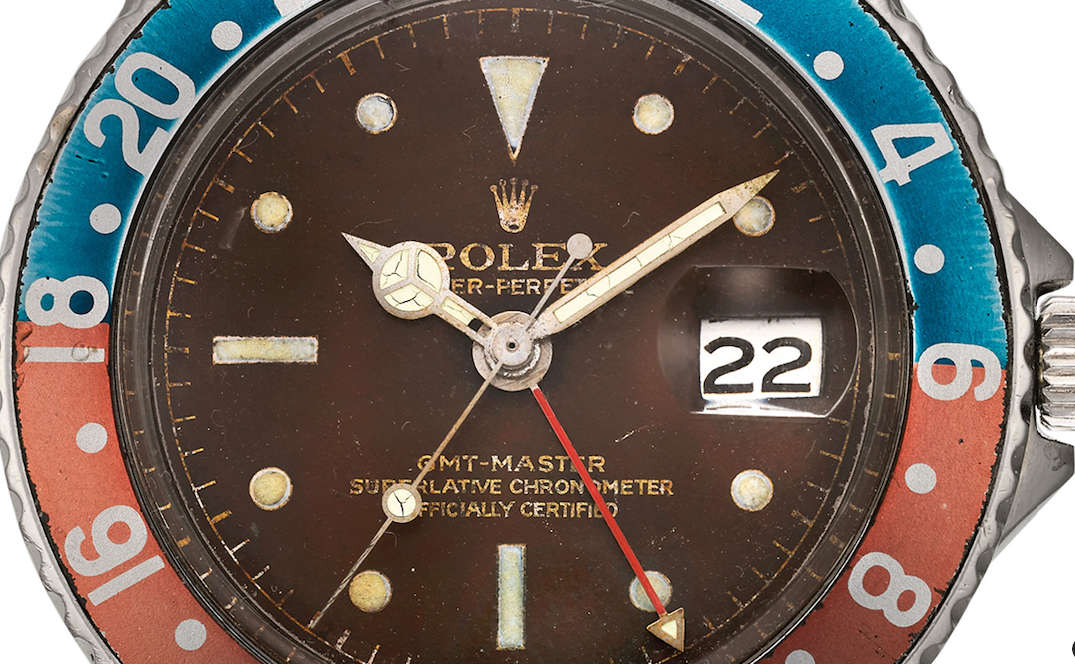
For Rolex owners, deciding between vintage Rolex restoration vs modern Rolex servicing is more than a simple question of age. Rising vintage Rolex prices, evolving service standards, and the irreversible nature of certain service choices mean this decision can profoundly affect both the watch’s value and its longevity.
Understanding the distinct goals behind restoration and servicing safeguards your investment and ensures your Rolex remains a treasured timepiece for years to come.
Why This Decision Is Not Just About Age
The market for vintage Rolex watches has surged in recent years, making them some of the most sought-after collectibles worldwide. Simultaneously, Rolex’s modern service protocols have become more precise and stringent, focusing heavily on preserving performance and water resistance.
While restoration aims to preserve or recover a watch’s historical integrity and visual originality, servicing focuses on maintaining optimal function and reliability. Some service actions—such as polishing cases or replacing dial components—can permanently alter a watch’s character, often in ways collectors deplore.
This guide is designed to help Rolex owners avoid costly mistakes by shedding light on both restoration and servicing paths, so you can confidently choose the right care for your timepiece.
What Rolex Owners Mean by “Vintage” and “Modern”
How the Industry Defines Vintage Rolex
Collectors and watchmakers typically consider Rolex models produced before the mid-1980s as vintage. These watches often feature acrylic crystals, tritium-based luminous material, and older movement calibers. However, condition and originality often carry as much weight as age. A pristine, original-dial model from 1975 can be significantly more valuable than a polished or heavily restored example from the same era.
How Modern Rolex Watches Differ by Design
Modern Rolex models, in contrast, benefit from advancements like sapphire crystals, Chromalight luminous compounds, ceramic bezel inserts, and significantly tighter manufacturing tolerances. Additionally, these watches are designed with regular servicing in mind—component interchangeability, performance consistency, and long-term water resistance are priorities. This fundamentally shapes how servicing is approached, focusing on function and warranty longevity over originality preservation.
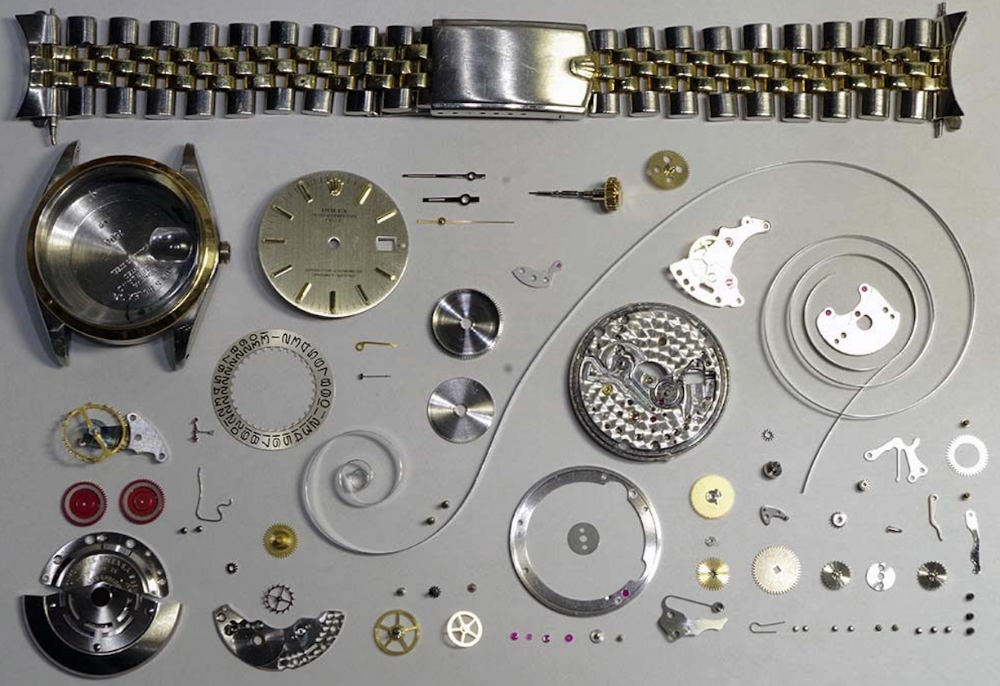
Vintage Rolex Restoration Explained Clearly
Restoration vs Conservation vs Over-Restoration
Restoration involves returning a watch to a condition that reflects its original appearance and function while minimizing invasive alterations. This differs from conservation, which prioritizes maintaining existing components, patina, and originality without striving for visual perfection. Conversely, over-restoration happens when excessive polishing, refinishing, or component replacement strips the watch of its historical authenticity.
For vintage Rolex owners, understanding these distinctions is critical. Originality often commands higher prices than flawless aesthetics achieved through heavy restoration.
Typical Restoration Work on Vintage Rolex Watches
Common restoration tasks include movement rebuilding and sourcing scarce or genuine parts to ensure mechanical reliability. Dial work generally favors stabilization of the existing dial rather than refinishing, which can decrease value.
Case work usually avoids heavy polishing or reshaping to preserve original bevels and engraving crispness. Holistic vintage restoration requires deep expertise to balance functionality and collector appeal.
Who Vintage Restoration Makes Sense For
- Collectors focused on protecting long-term value
- Owners preserving family heirlooms with sentimental importance
- Buyers intending to hold watches for many years
What Modern Rolex Servicing Involves Today
How Rolex Designs Modern Service Programs
Official Rolex service centers follow strict factory standards with uniform, well-documented processes. The goal emphasizes peak movement performance, restored water resistance, and reliability rather than historical preservation.
What Happens During a Modern Rolex Service
Modern service disassembles the entire movement, replaces worn or outdated components with Rolex-approved parts, tests precision under multiple conditions, regulates timekeeping, and reseals the case to factory specifications.
Cosmetic parts, including bracelets and bezels, are often replaced during service to comply with aesthetics and integrity standards. This interchangeability reflects Rolex’s performance-first philosophy.
Why Modern Watches Are Rarely “Restored”
Unlike vintage models, modern Rolex watches benefit from readily available parts and consistent manufacturing. This supports a service model best described as maintenance rather than restoration. Owners expect full warranties post-service and prioritize dependable wearability over preserving original components that will soon wear.
How Each Approach Impacts Value
Value Considerations for Vintage Rolex
Original dials, hands, and cases significantly influence vintage Rolex values. Improper restoration, including unsanctioned polishing or non-original parts, can permanently reduce desirability and collector interest.
Value Considerations for Modern Rolex
For modern watches, thorough service records and functional reliability matter most. Component replacements during servicing are expected and do not necessarily impact resale negatively—often the opposite is true.
Long-Term Ownership vs Resale Strategy
If the watch is a daily wearer, prioritizing reliable servicing is essential. For investment or collector pieces, careful preservation or expert vintage restoration helps maintain premium value. Aligning service decisions with your ownership goals is key.
The Biggest Risks Rolex Owners Face
Common Mistakes With Vintage Rolex Watches
- Excessive polishing that erases definition and serial number legibility
- Dial refinishing without disclosing impact on originality
- Installing non-original replacement parts, reducing authenticity
Common Mistakes With Modern Rolex Watches
- Losing original components, especially in early or transitional models
- Choosing quick service over expertise, risking improper assembly or water resistance issues
Ready to restore your timepiece with precision and care? Our experienced technicians handle everything from simple tune-ups to full mechanical overhauls. Let us bring your watch back to life.
Authorized Service Centers vs Independent Specialists
When an Authorized Rolex Service Center Is the Right Choice
Newer models typically benefit from servicing at authorized centers to retain warranties, uphold water resistance, and receive predictable, factory-approved service. For owners near metropolitan areas, facilities like the watch repair services in Atlanta authorized by Rolex ensure the highest standards.
When an Independent Rolex Specialist Is the Better Option
Vintage and collectible Rolex models often require preservation-focused approaches that authorized service centers may not provide. Independent specialists offer greater control over replacement decisions and a tailored approach. Skilled watchmakers in locations such as Brookhaven or Buckhead provide expert vintage Rolex restoration services with attention to detail necessary to protect value.
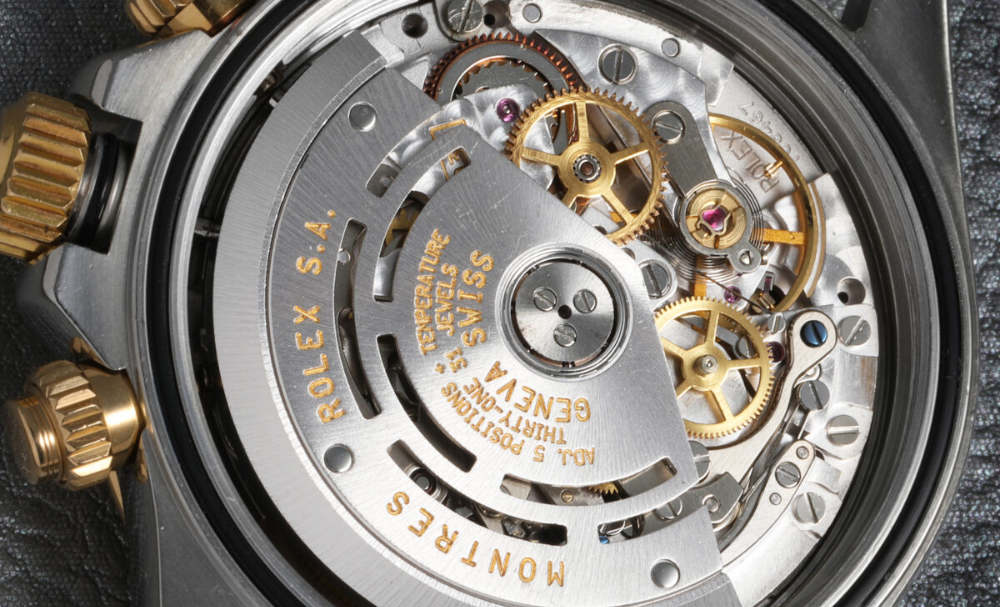
Transitional Rolex Models Require Extra Care
Watches produced during pivotal movement changes or early sapphire crystal models can be particularly vulnerable if serviced incorrectly. Their components may be discontinued or replaced with non-original parts during authorized service, diminishing collector appeal.
Expert evaluations before servicing—such as those available at Peachtree Corners—are crucial to ensure preservation of value.
How to Decide What Your Rolex Actually Needs
Use this concise checklist for decision-making:
- Identify the production era and reference number (consult watchmaker resources or dealers)
- Decide if your priority is preservation of originality or enhanced reliability for daily wear
- Evaluate originality of key components such as dial, hands, bezel, and crystal
- Choose a watchmaker experienced with your watch’s specific era and model—for vintage, consider independent specialists; for modern, authorized centers
- Avoid basing decisions solely on turnaround time; quality should always come first
Real-World Owner Scenarios
Inherited Vintage Rolex
Balancing emotional attachment with market value is common. Documentation of provenance and previous service or restoration history is invaluable. Engage with a specialist to assess condition and value before making restoration decisions.
Modern Rolex Used as a Daily Watch
Routine servicing every 5 to 10 years ensures peak performance, water resistance, and appearance. Authorized service centers in areas such as Dunwoody or Alpharetta provide comprehensive servicing tailored to modern Rolex models.
Mixed-Use or Transitional Watches
Expert evaluation before proceeding is essential to avoid inadvertent loss of value. Seek consultation from experts familiar with the subtle changes in design and parts common in these models.
Cost Expectations Without Surprises
Vintage Rolex restoration costs vary significantly but often range between $1,500 and $5,000 or more depending on the condition and rarity of parts needed. Modern Rolex servicing typically costs between $600 and $1,200 based on location and service scope.
While costs are important, price alone should never drive your decision. The right service provider respects your watch’s history and intended use.
The Right Choice Protects the Watch and the Owner
The decision between vintage Rolex restoration vs modern Rolex servicing ultimately comes down to your watch’s era and your purpose for owning it. Restoration and servicing serve different goals: preservation of historical integrity on one hand and reliable performance on the other.
By making informed choices and engaging trusted professionals—whether at an authorized center like those linked on ItsAboutTimeInc.com or skilled independent specialists—you protect both your watch’s value and your personal investment.
Before any work begins, initiate an informed conversation with your watchmaker to align expectations and ensure the care your Rolex deserves.
FAQs About Rolex Restoration and Servicing
What qualifies a Rolex as vintage?
Typically, models produced before the mid-1980s are considered vintage, but originality and condition matter just as much as age.
Is Rolex restoration bad for value?
It depends. Over-restoration can hurt value, especially if original dials or cases are replaced or polished. Skilled conservation adds value if done correctly.
Why won’t Rolex service my vintage watch?
Rolex may refuse service if parts are unavailable or if the watch doesn’t meet their modern standards. They may also replace parts collectors consider important to keep original.
Can I request Rolex not to replace parts during service?
Rolex generally follows strict protocols. Independent specialists are more likely to honor preservation-focused requests.
How much does it cost to restore a vintage Rolex?
Costs vary widely, but full restoration can range from $1,500 to $5,000 or more, depending on condition and rarity.
How often should I service a modern Rolex?
Every 5 to 10 years is typical, depending on wear. Water resistance and performance checks are key for daily-use models.
What’s the risk of using a non-authorized Rolex repair shop?
With the wrong hands, you risk losing original components or getting aftermarket parts. But experienced independent watchmakers are often the best option for vintage pieces.
For quality services tailored to your Rolex, consider the trusted professionals at ItsAboutTimeInc Alpharetta or in other convenient locations such as Buford, Suwanee, and Chamblee.