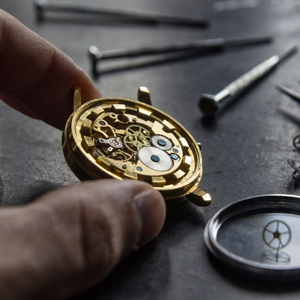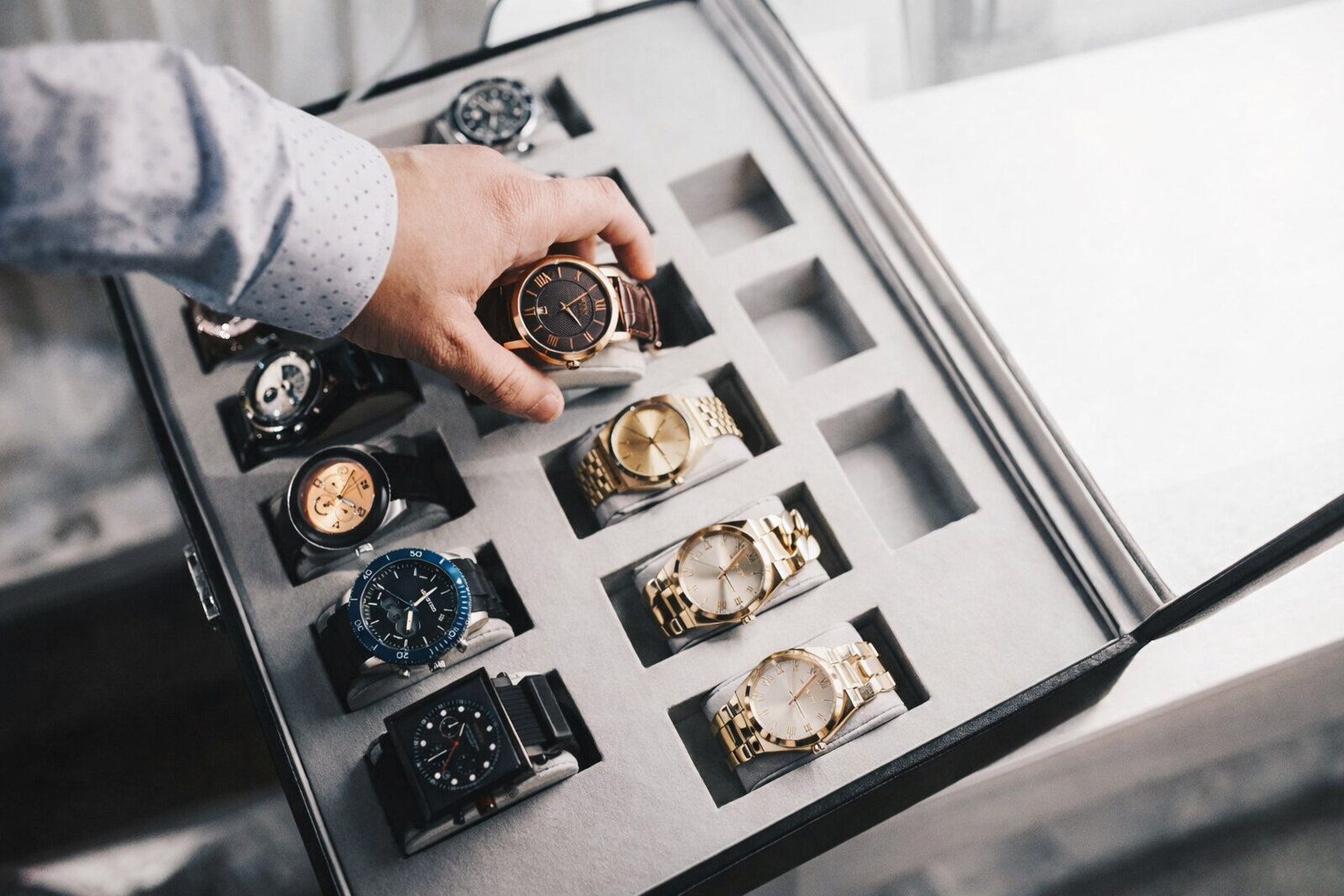
Luxury watch collecting blends craftsmanship, history, and personal expression. A good first step is to research reputable brands, learn movement and material basics, set a realistic budget, buy from trusted sources, and keep all documentation.
Key Takeaways
- ✓Buy versatile watches you will wear.
- ✓Verify authenticity and preserve box, papers and service records.
- ✓Mechanical watches reward craftsmanship; quartz offers practicality.
Why Collect Luxury Watches?
Luxury watches combine design, engineering, heritage, and potential heirloom value. Not every watch appreciates, so collect for enjoyment first and research rarity, condition, and provenance carefully.
What to Look For
| Feature | Mechanical | Quartz |
|---|---|---|
| Power | Wound spring | Battery |
| Maintenance | Regular service | Lower maintenance |
| Appeal | Engineering and tradition | Accuracy and practicality |
Materials such as steel, gold, titanium and sapphire affect durability and feel. Use our authentication guide before a pre-owned purchase.
Best First Luxury Watches
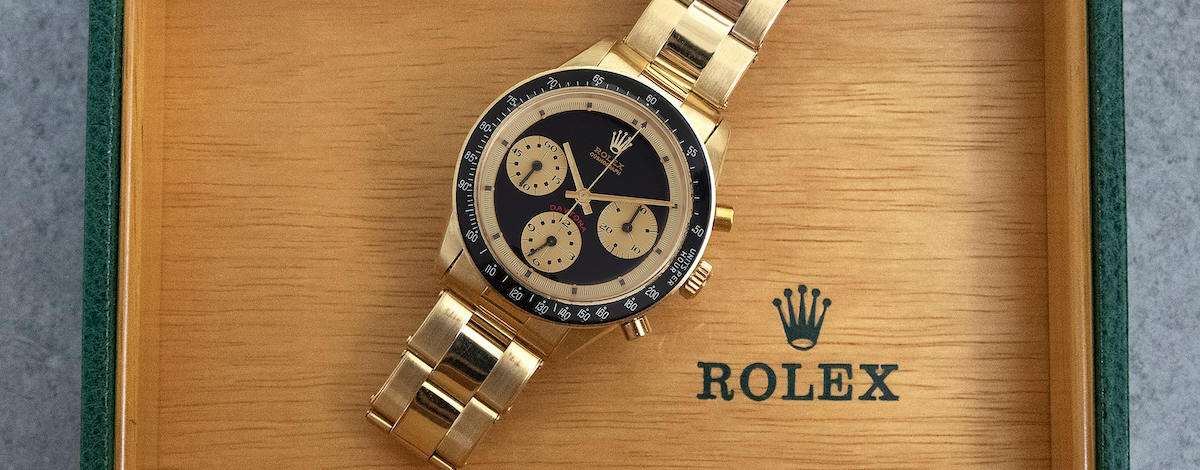
TAG Heuer Carrera, Omega Seamaster and Tudor Black Bay are common accessible starting points. Rolex, Longines and Breitling also offer broadly wearable choices. For a fuller market overview, read the ultimate luxury-watch guide.
Build and Maintain a Collection
Set a theme if it helps—brand, era, sport or vintage design—and store watches safely. Use qualified service, preserve records, and consider how restoration choices such as crystal replacement affect collector value.
Frequently Asked Questions
What Are Good Beginner Luxury Watches?
Rolex, TAG Heuer and Omega offer accessible, durable starting points.
How Do I Verify Authenticity?
Use trusted dealers, documentation, serial information and professional authentication.
Are Luxury Watches Investments?
Some are, but condition, rarity and demand matter; buy primarily for enjoyment.