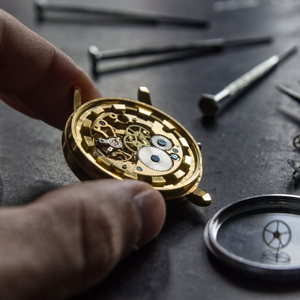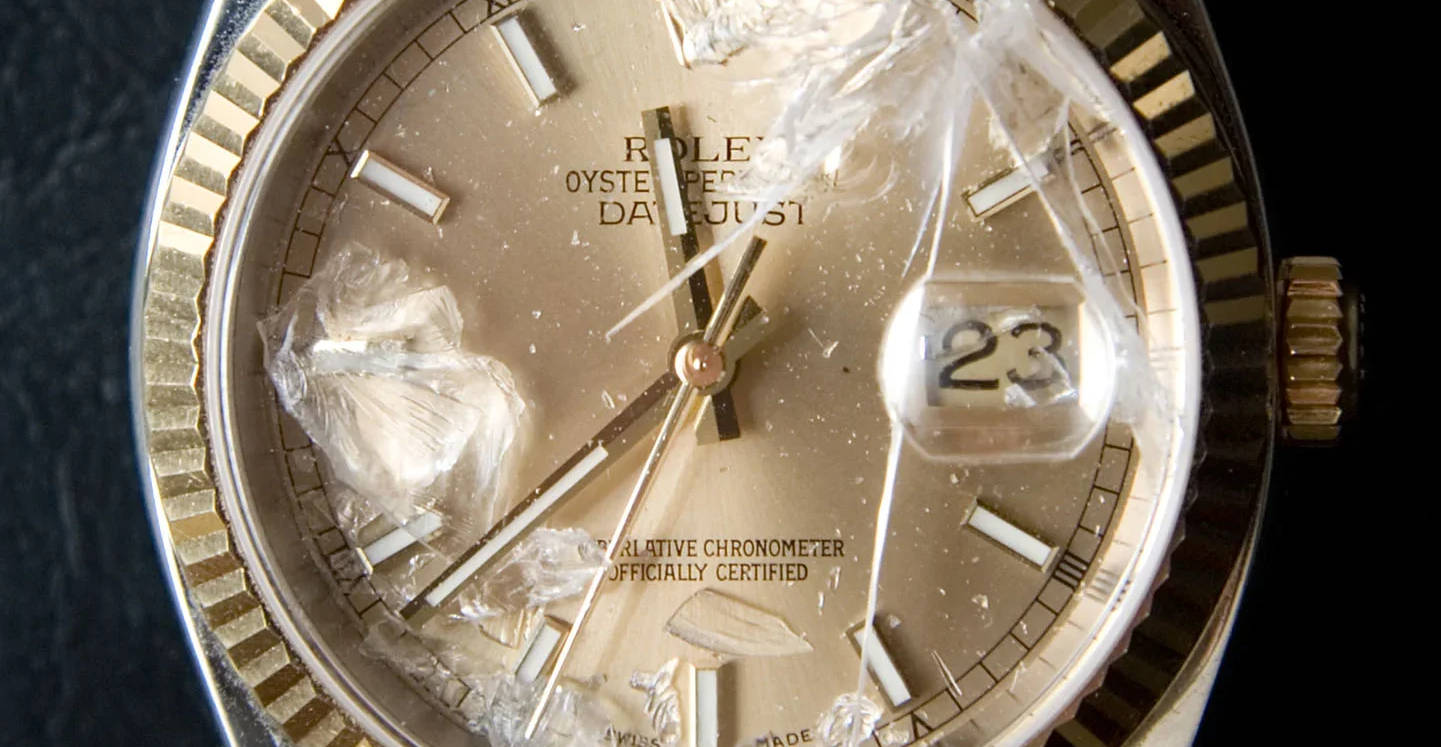
A crystal replacement is not inherently damaging to a luxury watch’s value. Its impact depends on originality, the material and specification of the new crystal, the quality of installation, the era of the watch, and the records kept with the service.
For a cracked crystal that threatens moisture or dust ingress, a carefully documented replacement can protect both the watch and its value. For highly collectible vintage pieces, an incorrect aftermarket part or an undocumented change can create questions for future buyers.
Key Takeaways
- ✓Originality has value. Vintage and highly collectible watches are most sensitive to non-original crystal replacements.
- ✓OEM parts and documentation are preferable. Correct fit, material, and clear service records best support confidence.
- ✓Function matters too. A damaged crystal can allow moisture or debris into the movement.
- ✓Material must suit the watch. Acrylic, Hesalite, mineral glass, and sapphire each carry different period and collector expectations.
The Investment Impact of Crystal Replacement
Collectors and auction buyers evaluate a watch as a complete object. Original crystals can be important on vintage Rolex, Omega, Heuer, Zenith, and other collectible models. Replacement becomes more acceptable when the original is damaged enough to threaten the movement, when the correct OEM specification is used, and when the work is transparent and documented.
| Criteria | OEM Crystal | Aftermarket Crystal |
|---|---|---|
| Resale-value impact | Often limited when documented | Can create greater buyer hesitation |
| Collector preference | Strongly preferred | Often discouraged on collectible models |
| Insurance support | More easily substantiated | May raise replacement questions |
| Authenticity verification | More readily verified | Can require closer scrutiny |
| Availability | Sometimes limited for vintage pieces | Broadly available but variable quality |
When Crystal Replacement Is Acceptable
A cracked or severely damaged crystal can expose the movement to dust, moisture and debris. On modern tool and dive watches, correct replacement often protects both function and value because water resistance is fundamental to the design. On highly collectible dress watches or rare vintage references, the decision deserves more caution.
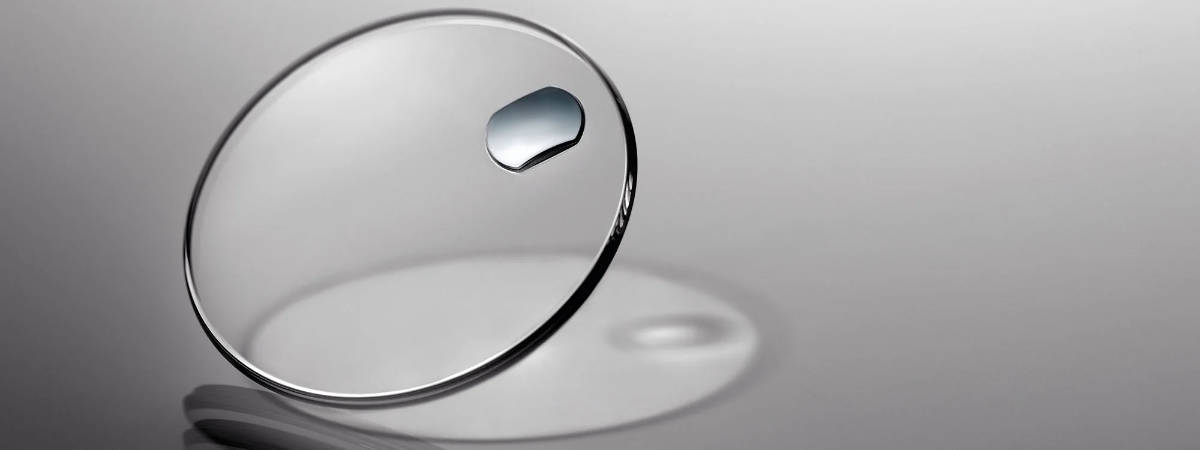
Before approving work, consider whether the damage creates a functional risk, whether an OEM or period-correct part is available, who will perform the work, and whether you can retain the original component and full service records.
OEM vs. Aftermarket Crystals
OEM crystals offer the intended fit, finish, and material integrity. For vintage watches they can be difficult or costly to source, but they remain the clearest choice for preserving collector confidence. High-quality aftermarket alternatives can be appropriate when OEM parts are unavailable, provided they match the original material, dimensions, and appearance closely and the service is documented.
Originality is also an authentication issue. Buyers evaluating a vintage watch should understand correct materials and markings; our guide to spotting a fake luxury watch explains why details and documentation matter.
Crystal Materials and Decision Checklist
Acrylic and Hesalite carry warmth and period character and can often be professionally polished. Sapphire provides excellent scratch resistance but can change the character of a vintage reference if it was not originally specified. Mineral glass occupies a different place in the historical design of many watches.
- Is the crystal damaged enough to risk dust or moisture entry?
- Is the watch a daily-wear tool watch or a highly collectible vintage piece?
- Can a correct OEM or period-appropriate crystal be sourced?
- Will you receive service records and before-and-after documentation?
- Can the original crystal be retained for provenance?
- Have you considered polishing if the watch has acrylic rather than replacement-only damage?
The price tier of a watch does not remove the need for thoughtful restoration; it changes the stakes. See our comparison of entry-level and high-end luxury watches for the ownership considerations that sit behind these decisions.
Frequently Asked Questions
How Much Value Can a Luxury Watch Lose with Crystal Replacement?
The impact varies with rarity, model, condition, material, and documentation. Poorly specified or undocumented aftermarket work usually creates more concern than a correct, documented replacement.
Should I Replace a Cracked Crystal on a Vintage Rolex?
Replace it when damage threatens the movement or water resistance, preferably with a correct OEM or period-appropriate part and complete records.
Can Aftermarket Crystals Maintain Value?
High-quality aftermarket parts may minimize the effect when OEM options are unavailable, but OEM or correct original-specification parts remain preferable for collectible watches.
Is Sapphire Replacement Worthwhile on Vintage Watches?
It is generally not the first choice for collectible vintage pieces if sapphire was not original. It can be more acceptable on modern tool watches where durability is the priority.