
QUICK ANSWER: To tell if a luxury watch is fake, examine the logo for precision and spelling, check the materials and craftsmanship quality, analyze the movement for smooth operation, verify the serial number with the manufacturer, and be wary of prices that seem too good to be true.
The luxury watch market has never been more captivating, with prestigious timepieces representing both exceptional craftsmanship and significant investment potential. However, as the demand for luxury watches continues to surge in 2026, so does the prevalence of sophisticated counterfeits flooding the market.
Learning how to tell if a luxury watch is fake has become an essential skill for collectors and buyers alike. The stakes are higher than ever, with counterfeiters employing advanced manufacturing techniques that create increasingly convincing replicas.
A single mistake in authentication can result in thousands of dollars lost and the disappointment of owning a worthless imitation instead of a genuine timepiece.
Why Are Fake Luxury Watches So Common?
The counterfeit watch industry has evolved dramatically over the past decade, becoming a multi-billion-dollar shadow market that threatens both consumers and legitimate manufacturers.
According to the Organisation for Economic Co-operation and Development (OECD), the global trade in counterfeit and pirated goods including luxury watches was valued at over $467 billion annually as of 2021, representing approximately 2.5% of world trade. Watches and jewelry continue to represent a significant portion of this figure, and more recent OECD reports indicate that the problem remains widespread and persistent.
Modern counterfeiters have access to sophisticated machinery, high-quality materials, and detailed photographs of authentic timepieces, allowing them to create replicas that can fool even experienced buyers at first glance.
The rise of online marketplaces and social media selling platforms has made it easier than ever for counterfeiters to reach unsuspecting customers. These sellers often operate from jurisdictions with limited enforcement, making it difficult for authorities to shut down their operations.
Additionally, the growing popularity of luxury watch collecting has created a larger pool of potential victims who may lack the expertise to spot sophisticated fakes.
The Risks of Buying a Fake Watch
Purchasing a counterfeit luxury watch extends far beyond simple financial loss. When you buy a fake timepiece, you receive zero resale value and no manufacturer’s warranty or support. The inferior materials and construction methods used in counterfeits often result in rapid deterioration, poor timekeeping accuracy, and potential skin irritation from cheap metals.
Beyond the immediate financial impact, owning a fake luxury watch can lead to social embarrassment when the deception is discovered. Professional appraisers, insurance companies, and knowledgeable collectors can easily identify counterfeits, potentially damaging your reputation in collecting circles.
In some cases, unknowingly purchasing counterfeit goods can even result in legal complications when crossing international borders.
Key Signs of a Fake Luxury Watch
Understanding the specific indicators that separate authentic luxury watches from counterfeits requires careful attention to detail and knowledge of what genuine timepieces should look like. Professional counterfeiters focus their efforts on replicating the most obvious visual elements while often neglecting the subtle details that define true luxury craftsmanship.
The most reliable approach to authentication involves examining multiple aspects of the watch simultaneously rather than relying on any single indicator. Genuine luxury watches represent the pinnacle of horological engineering, with every component designed and manufactured to exacting standards that counterfeiters struggle to replicate consistently.
| Feature | ✅ Authentic Luxury Watch | ❌ Fake Luxury Watch |
|---|---|---|
| Logo & Branding | Perfect precision, consistent font, flawless alignment | Misspellings, uneven lettering, altered designs |
| Materials | Solid gold/platinum, surgical-grade steel, sapphire | Cheaper alloys, hollow construction, mineral glass |
| Craftsmanship | Smooth, polished surfaces, consistent finishing | Rough edges, visible seams, uneven finishing |
| Movement | Swiss/Japanese, smooth sweep, minimal noise | Cheap quartz, ticking second hand, loud ticking sounds |
| Serial Number | Unique, deeply engraved, verifiable with the manufacturer | Missing, shallow, altered, or unverifiable |
| Weight | Substantial, which reflects quality materials | Noticeably lighter, feels cheap |
| Price | Stable, matches market value | Significantly underpriced, “too good to be true.” |
| Warranty/Support | Manufacturer warranty, authorized service | No warranty, no official support |
1. Inspect the Logo and Branding
Authentic luxury watch logos demonstrate perfect precision in their execution, with consistent font weights, proper spacing, and flawless alignment. Genuine manufacturers invest heavily in ensuring their branding elements maintain exact specifications across all their timepieces. Even the smallest deviation in logo placement, size, or clarity can indicate a counterfeit.
Counterfeit watches frequently feature subtle misspellings, uneven lettering, or slightly altered logo designs that avoid direct trademark infringement while attempting to fool casual observers.
The depth and quality of logo engraving on genuine watches typically surpasses what counterfeiters can achieve with their manufacturing processes. Pay particular attention to the brand name on the dial, case back, and crown, as inconsistencies between these locations often reveal fakes.
2. Check the Craftsmanship and Materials
Luxury watch manufacturers spare no expense in selecting premium materials for their timepieces. Genuine watches feature solid gold or platinum cases, surgical-grade stainless steel, and sapphire crystal that resists scratching and provides exceptional clarity. The weight of authentic luxury watches reflects their substantial construction and quality materials.
Counterfeit watches often feel noticeably lighter due to the use of cheaper alloys and hollow construction methods. Examine the case edges, bracelet links, and clasp mechanisms for rough finishing, sharp edges, or visible seam lines that indicate inferior manufacturing.
Genuine luxury watches display smooth, polished surfaces with consistent finishing across all components. The crystal should be perfectly clear without distortion, and any luminous materials should glow evenly and brightly.
3. Analyze the Movement
The heart of any luxury watch lies in its movement, and this represents one of the most reliable ways to identify counterfeits. Authentic luxury timepieces typically feature Swiss or high-quality Japanese movements that operate with exceptional precision and smoothness.
When examining the second hand, genuine mechanical watches usually sweep smoothly around the dial rather than ticking in discrete steps.
Listen carefully to the watch’s operation, as genuine luxury mechanical movements produce minimal noise during normal operation. Loud ticking sounds often indicate cheap quartz movements commonly found in counterfeits.
If the case back is transparent, examine the movement decoration, component finishing, and brand markings. Authentic movements display intricate decoration, precise component alignment, and clear manufacturer identification that counterfeiters struggle to replicate accurately.
4. Verify the Serial Number
Every genuine luxury watch carries unique serial and model numbers that manufacturers use to track production, warranty status, and authenticity. These numbers should be clearly engraved or stamped in specific locations that vary by brand, typically on the case back, between the lugs, or on the movement itself. The engraving quality should be crisp, deep, and perfectly aligned.
Contact the manufacturer directly or visit an authorized dealer to verify that the serial number corresponds to a genuine timepiece with the correct specifications. Many luxury watch brands maintain databases that allow verification of production dates, original specifications, and warranty status.
Be extremely suspicious of watches with missing, altered, or obviously fake serial numbers, as legitimate manufacturers never produce timepieces without proper identification.
5. Evaluate the Price
While attractive pricing can be tempting, luxury watches that seem significantly underpriced compared to market values should raise immediate red flags. Genuine luxury timepieces maintain relatively stable market values, and dramatic price reductions typically indicate counterfeit merchandise or stolen goods.
Research current market prices for the specific model and compare them across multiple authorized dealers and reputable resellers.
Understanding typical retail and secondary market pricing helps establish realistic expectations for genuine timepieces. Be particularly cautious of sellers offering “wholesale prices” or claiming to have access to special dealer inventory, as authorized luxury watch dealers operate under strict pricing agreements that prevent dramatic discounting of current models.
Tips to Spot a Fake Luxury Watch When Buying Online
Online shopping for luxury watches presents unique challenges in authentication, as buyers cannot physically examine the timepiece before purchase. However, careful evaluation of seller credentials, product presentations, and transaction terms can help identify potential counterfeits before completing a purchase.
The convenience of online shopping must be balanced against the increased risk of encountering sophisticated fraud.
Professional counterfeiters have adapted their techniques to exploit the limitations of online marketplaces, using high-quality photography and detailed descriptions to mask the deficiencies of their products. Successful online authentication requires understanding what genuine sellers provide versus what counterfeiters typically cannot or will not offer.
Buy From Authorized Dealers
 Purchasing from authorized dealers represents the safest approach to acquiring genuine luxury watches online. Authorized dealers undergo rigorous vetting processes by manufacturers and agree to maintain specific standards for customer service, product authenticity, and warranty support.
These dealers typically display official authorization certificates and maintain direct relationships with luxury watch brands.
Verify dealer authorization by checking manufacturer websites or contacting brands directly to confirm legitimate dealer status. Reputable dealers provide detailed product information, clear warranty terms, and professional customer support that counterfeit sellers cannot match.
Be cautious of dealers claiming authorization without proper documentation or those offering prices significantly below authorized dealer standards.
Scrutinize Product Photos
Legitimate sellers provide multiple high-resolution photographs showing all angles of the watch, including close-ups of the dial, case back, movement, and any identifying marks. Professional product photography typically includes proper lighting that reveals fine details and surface finishes accurately.
Examine photos for consistent lighting, sharp focus, and comprehensive coverage of all watch components.
Counterfeit sellers often use stock photos, limited angles, or poor-quality images that hide defects and manufacturing flaws. Look for photos showing serial numbers, movement details, and brand-specific features that counterfeiters struggle to replicate.
Genuine sellers willingly provide additional photos upon request, while counterfeit sellers may refuse or provide evasive responses to detailed photography requests.
Check Return Policies
Established luxury watch dealers offer comprehensive return policies that protect buyers and demonstrate confidence in their product authenticity. These policies typically include reasonable return periods, clear conditions for returns, and procedures for handling warranty claims.
Professional dealers understand that luxury watch purchases represent significant investments requiring buyer protection.
Counterfeit sellers often provide vague return policies, refuse returns altogether, or impose unreasonable conditions that make returns practically impossible. Be suspicious of sellers requiring immediate payment, offering only store credit for returns, or claiming that all sales are final for luxury items.
What to Do If You Suspect a Fake Watch
Discovering that you may have purchased a counterfeit luxury watch can be distressing, but taking prompt action can help minimize losses and protect other potential victims. The steps you take immediately after suspecting a fake can determine your ability to recover funds and prevent further fraud.
Document all communications and transaction details to support any dispute or legal proceedings. Professional authentication services and manufacturer verification can provide definitive answers about watch authenticity.
Even if initial suspicions prove unfounded, professional verification provides valuable peace of mind and documentation for insurance or resale purposes.
Get a Professional Appraisal
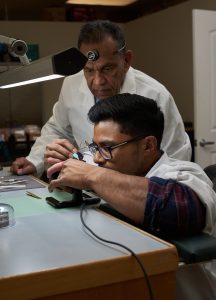 Professional watch appraisers and authorized service centers possess the expertise and equipment necessary to definitively authenticate luxury timepieces. These professionals examine movement construction, material composition, and manufacturing details that are impossible to assess without specialized knowledge and tools.
Expert watchmakers can often identify counterfeits within minutes of examination.
Many luxury watch manufacturers offer authentication services through their authorized service centers, providing official documentation of authenticity or counterfeit status.
This documentation proves invaluable for insurance claims, legal proceedings, or dispute resolution with sellers. Professional authentication typically costs a fraction of the watch’s value and provides definitive answers about legitimacy.
Report the Seller
If professional authentication confirms that you purchased a counterfeit watch, report the seller to the appropriate authorities and platforms immediately. Online marketplaces, payment processors, and consumer protection agencies rely on victim reports to identify and shut down fraudulent operations. Your report may prevent other buyers from falling victim to the same seller.
Provide detailed documentation, including transaction records, communications, authentication reports, and photographic evidence to support your complaint. Many jurisdictions treat counterfeit luxury goods as serious criminal offenses, and your cooperation may assist law enforcement in pursuing charges against organized counterfeiting operations.
Protect Yourself in the Future
Use this experience as an opportunity to develop better authentication skills and establish relationships with reputable dealers and service providers. Educate yourself about the specific brands and models that interest you, learning to recognize the subtle details that distinguish genuine timepieces from counterfeits.
Consider joining collector communities and forums where experienced enthusiasts share knowledge about authentication techniques and seller recommendations. Building a network of knowledgeable contacts provides valuable resources for future purchases and ongoing education about luxury watch collecting.
Stay Informed and Confident as a Buyer
Successfully identifying fake luxury watches isn’t just a skill, it’s an essential advantage in the world of horology. By combining multiple authentication techniques with a keen eye for detail, you’ll outsmart even the craftiest counterfeiters and keep your collection filled with authentic timepieces.
The investment in developing these skills pays dividends throughout your collecting journey, protecting both your financial investment and personal reputation. As counterfeiters continue to refine their techniques, staying informed about the latest authentication methods becomes increasingly important.
Remember, legitimate luxury watch ownership is more than just a transaction, it’s a commitment to style, precision, and legacy. Building a genuine collection requires patience, education, and relationships with trustworthy professionals who can support your collecting goals over time.
The luxury watch market offers incredible opportunities for collectors who approach purchases with proper knowledge and sound judgment.
By applying these authentication techniques consistently and working with reputable dealers, you can confidently build a collection of genuine timepieces that provide lasting enjoyment and value no fakes allowed.
Frequently Asked Questions
How can I tell if a luxury watch is fake?
To identify a fake luxury watch, examine the logo for perfect precision and correct spelling, check the quality of materials and craftsmanship, analyze the movement for smooth operation and minimal noise, and verify the serial number with the manufacturer.
Additionally, be cautious of prices that seem unrealistically low compared to market values. Buying from authorized dealers and getting professional authentication provides the most reliable verification of authenticity.
Are fake luxury watches illegal?
Yes, manufacturing and selling counterfeit luxury watches violates trademark and copyright laws in most countries and can result in serious criminal charges for sellers. While purchasing counterfeit watches may not always be illegal for consumers, it can lead to customs seizure when traveling internationally, loss of money with no legal recourse, and potential complications with insurance claims. Supporting counterfeit operations also undermines legitimate manufacturers and authorized dealers.
Can a fake watch ever look exactly like a real one?
While some high-quality counterfeit watches may appear convincing in photographs or casual observation, they consistently fail to match the materials, movement quality, and craftsmanship standards of genuine luxury timepieces. Professional authentication can always reveal counterfeits through detailed examination of movement construction, material composition, and manufacturing precision. Even the most sophisticated fakes contain telltale signs that trained professionals can identify.
What should I do if I accidentally bought a fake watch?
If you discover you purchased a counterfeit watch, immediately document all transaction details and communications with the seller, then obtain professional authentication to confirm the watch’s status. Report the seller to the platform where you made the purchase, your payment processor, and relevant consumer protection agencies. Contact the seller to demand a refund, and if they refuse, initiate dispute procedures through your payment method or consider legal action depending on the amount involved.