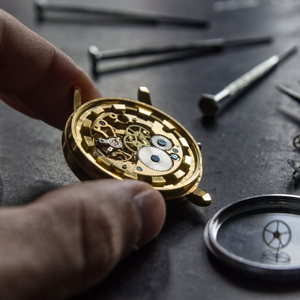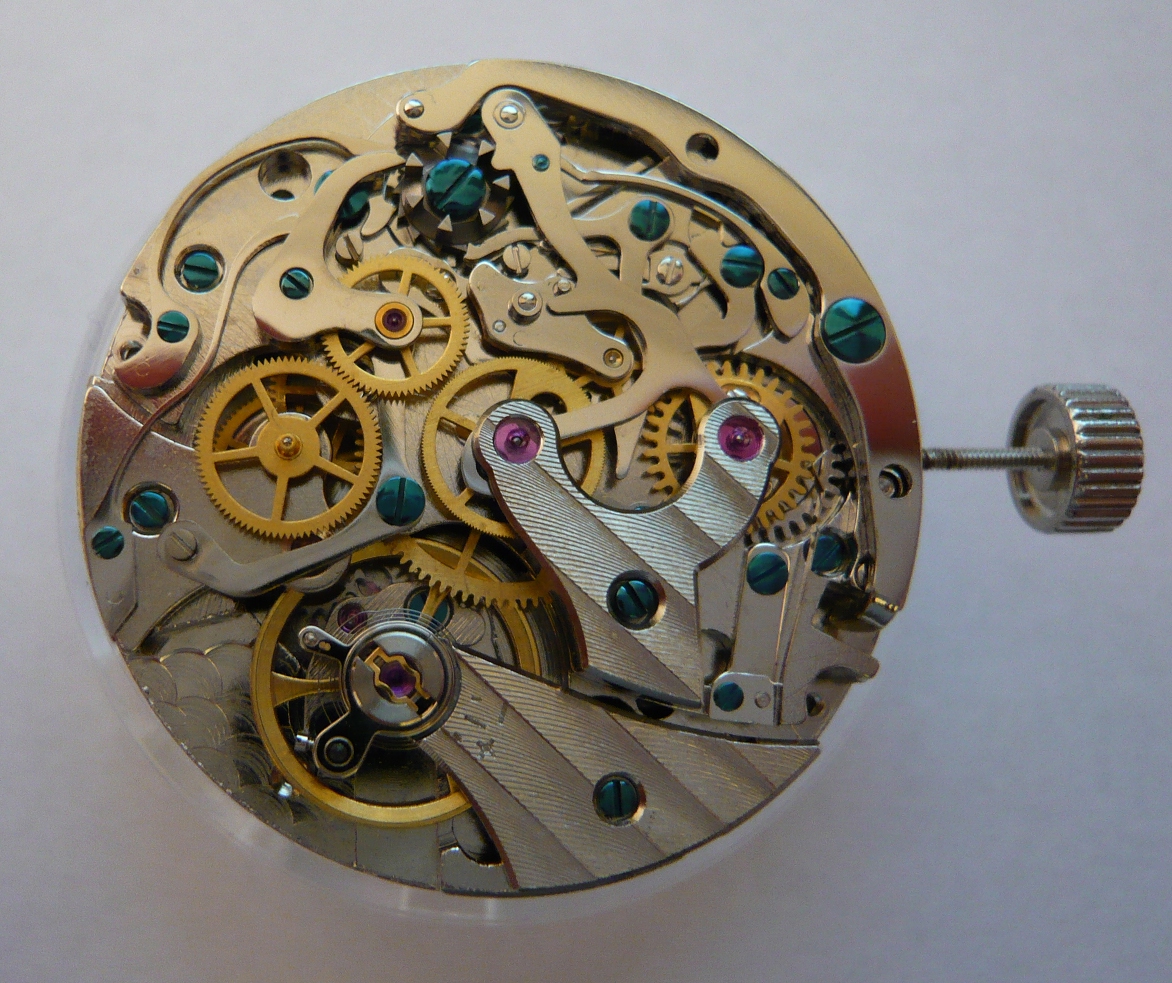
A chronograph is more than a watch with extra buttons. It is a watch with a stopwatch mechanism built into the movement, allowing the wearer to start, stop, and reset elapsed time. That added function also means added parts, including pushers, levers, wheels, springs, and hands that must work together precisely.
A chronograph may continue keeping regular time even when the stopwatch function begins to act up. A hand may fail to reset properly, a pusher may feel unusually stiff, or the stopwatch may not start consistently. Those are good reasons to have the watch evaluated rather than assuming the issue will resolve on its own.
At Its About Time Inc., we assess the individual condition of each watch before recommending the appropriate next step. Whether you own a vintage chronograph, a modern automatic watch, or a quartz model, the symptoms and overall condition matter more than a one-size-fits-all answer.
What Does a Chronograph Do?
A chronograph uses a separate timing function in addition to regular timekeeping. In many models, the upper pusher starts and stops the chronograph, while the lower pusher resets the chronograph seconds hand and subdial counters back to zero.
Common visual features include:
- A central seconds hand used for elapsed timing
- One or more subdials that count minutes or hours
- Pushers on the side of the case
- A reset function that returns the hands to their starting positions
This added mechanism is why a chronograph deserves careful use. The watch can look normal at a glance while a problem develops inside the stopwatch system.
Six Signs Your Chronograph May Need Service
1. The Chronograph Will Not Start or Stop
If you press the start pusher and the chronograph seconds hand does not move, or if the timing hand will not stop when expected, the stopwatch function needs attention. The problem may be related to the pusher, the chronograph mechanism, or another component inside the watch. Repeatedly forcing the buttons is not a good substitute for an inspection.
2. The Reset Hand Does Not Return to Zero
After using the chronograph, the central seconds hand and any subdial counters should return to their intended starting positions. If a hand resets slightly off zero, stops short, or lands in a different position each time, the issue is more than cosmetic. Proper reset action is part of the chronograph's normal function.
3. The Pushers Feel Stiff, Loose, or Unusually Difficult to Press
Chronograph pushers should feel deliberate, but they should not feel jammed, gritty, or excessively loose. A change in how a pusher feels can be a sign that the case, pusher assembly, seals, or internal mechanism should be checked. Do not apply extra force in an attempt to make a reluctant pusher work.
4. The Stopwatch Function Stops While the Watch Still Keeps Time
A watch can keep the current time while the chronograph mechanism has its own problem. That can make the issue confusing, especially if the watch appears otherwise normal. A professional inspection can distinguish between a problem limited to the timing function and a broader movement concern.
5. The Chronograph Hand Jumps, Stutters, or Does Not Engage Cleanly
A chronograph seconds hand should engage in a controlled way. If it jumps unpredictably, stutters, fails to begin moving, or behaves inconsistently when you start or stop it, avoid repeatedly testing it. Continued use of a malfunctioning function can make diagnosis more difficult and may put added strain on affected components.
6. There Is Moisture, Condensation, or a Recent Impact
Moisture inside a watch should always be taken seriously. Condensation under the crystal, a recent drop, or impact near the pushers can affect the case, seals, movement, and chronograph function. If water exposure is a concern, learn when a watch needs a pressure test and have the watch evaluated promptly. For visible moisture or fogging, our guide to water damage and watches explains why waiting can make the problem more involved.
Why Chronograph Problems Should Not Be Ignored
Chronographs are designed to be used, but their timing systems rely on coordinated mechanical or electronic components. An off-center reset hand, inconsistent pusher response, or unexplained stopping issue should not be treated as normal wear.
The same is true if a watch has been exposed to water, dropped, or left unused for a long period. A careful assessment helps determine whether the concern is isolated to the chronograph function, related to the overall movement, or connected to the watch case and seals.
The goal is not to guess at a repair from one symptom. The goal is to understand the condition of the watch and recommend work that supports reliable function.
What a Watchmaker Checks During a Chronograph Inspection
A chronograph inspection begins with the behavior of the watch in front of the watchmaker. Depending on the watch and the symptoms, the evaluation may include:
- Start, stop, and reset operation
- Alignment of the chronograph seconds hand and counters
- Pusher response and case condition
- General timing performance and movement function
- Evidence of moisture, impact, or worn components
- The condition of seals and water-resistance components when appropriate
- Whether original components can be retained or whether replacement is needed for reliable operation
The condition of the individual watch determines the recommendation. That is especially important for vintage models, where original components and prior repair history can affect the best path forward. Owners of vintage Speedmasters may also find our article on preserving a vintage Omega Speedmaster during service helpful.
Mechanical, Automatic, and Quartz Chronographs
Chronographs can be mechanical, automatic, or quartz, and the source of a problem can differ by movement type.
A mechanical or automatic chronograph uses a movement with a complex system for engaging, stopping, and resetting the timing function. A quartz chronograph relies on a battery and electronic timing components, but it can still develop pusher, reset, display, or module-related problems.
That is why it is best not to assume that every chronograph issue is a battery issue, a simple adjustment, or a complete overhaul. A watch that needs a battery can have a different service path from one with a mechanical chronograph issue. Likewise, a classic racing chronograph may require a different evaluation from a modern quartz model.
For brand-specific repair information, see our guide to TAG Heuer watch service in Atlanta or explore the broader watch repair services offered by Its About Time Inc..
Bring Your Chronograph In Before the Problem Gets Worse
If your chronograph is not starting, stopping, or resetting correctly, it is worth having it assessed before the issue becomes more involved. You can start a repair request online or stop by to explore our workshop and discuss your watch with the team.
A proper assessment gives you a clearer understanding of the watch's condition and the appropriate next step before work begins.
Frequently Asked Questions About Chronograph Service
Can I still wear my chronograph if the stopwatch function does not work?
It depends on the issue. A chronograph can sometimes continue keeping regular time while the stopwatch function is not operating correctly. However, avoid forcing the pushers or repeatedly testing a malfunctioning function. An inspection can help identify whether the issue is isolated or part of a broader concern.
Why does my chronograph reset slightly off zero?
A chronograph hand that does not return to its intended reset position may need adjustment or service. The cause depends on the watch and movement type, so it should be evaluated rather than corrected by force.
Does a chronograph need different care than a standard watch?
A chronograph has additional timing components, so its start, stop, and reset functions introduce more parts that need to work together correctly. Regular care depends on the specific watch, how it is used, and its condition.
Can a water-resistant chronograph be used in water?
Water resistance depends on the watch's rating, the condition of its seals, and the manufacturer's instructions for that specific model. A past water-resistance test does not guarantee permanent protection. If the watch has been exposed to water or shows condensation, have it checked before relying on it again.
Should I press chronograph buttons underwater?
Follow the manufacturer's instructions for your exact model. If the watch's water resistance is unknown or has not been evaluated recently, avoid pressing the pushers underwater.
Is a chronograph problem always a sign of a full overhaul?
No. The right recommendation depends on the individual watch and the source of the problem. A pusher concern, reset issue, moisture exposure, battery-related issue, or movement problem can require different steps. An inspection is the right starting point.
Can a vintage chronograph be serviced while keeping original parts?
In many cases, preserving original components is an important consideration. Whether a part can remain in service depends on its condition, the watch's function, and what is needed for reliable operation. A watchmaker can explain the options after evaluating the specific watch.