
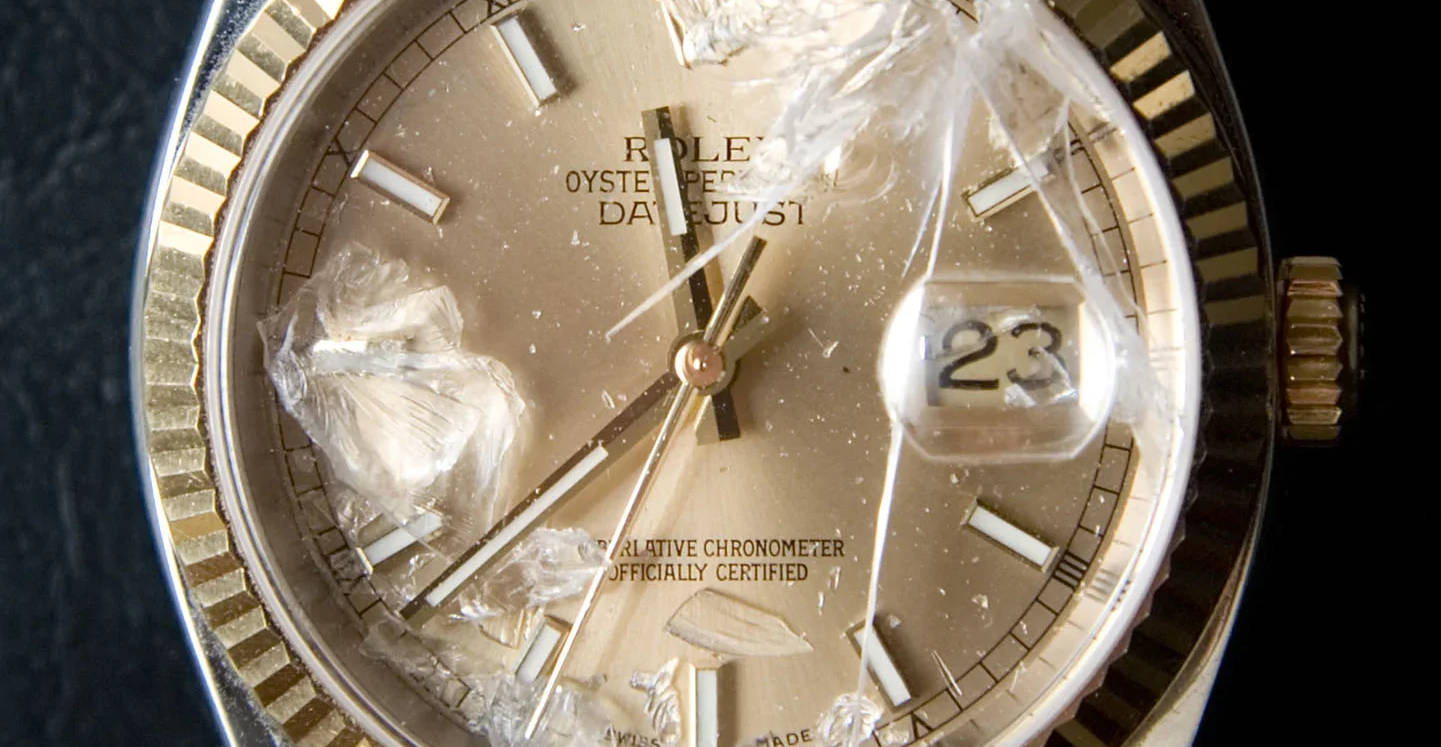
Imagine owning a pristine Rolex Submariner 116610LN (2010-2020) valued at $50,000, only to discover that a poorly executed crystal replacement has quietly slashed its resale value by nearly 30%. This is a reality many serious collectors face when balancing the desire to restore their timepiece with the imperative to preserve its investment potential.
At Its About Time Inc., we understand that crystal replacement is not inherently damaging. Instead, its impact depends on factors like the watch’s originality, the quality of the crystal used, the era of production, and detailed service documentation.
This article clarifies when crystal replacement safeguards your watch’s value and when it risks diminishing it. Notably, the type of crystal material such as Hesalite, acrylic, mineral glass, or synthetic sapphire, plays a significant role in both restoration and value retention.
Key Takeaways:
- Crystal replacement can reduce luxury watch value by 15-40%, especially if aftermarket parts are used or documentation is lacking.
- OEM (original manufacturer) crystals and professional installation with clear service records best preserve investment value.
- Vintage and highly collectible watches are most sensitive to non-original crystal replacements.
- Insurance coverage and collector demand often depend on the authenticity and documentation of crystal replacements.
- Consulting certified watchmakers and maintaining original parts can help protect your watch’s long-term value.
Quick Answer: Crystal replacement can reduce luxury watch value by 15-40%, depending on whether OEM parts are used and how professionally the work is documented and installed. Proper OEM watch crystal replacement with clear service records preserves value best.
| Criteria | OEM Crystal | Aftermarket Crystal |
|---|---|---|
| Resale Value Impact | Minimal (0-15% loss if documented) | Moderate to High (15-40% loss) |
| Collector Preference | Strongly Preferred | Often Discouraged |
| Insurance Coverage | Usually Maintained | May Be Reduced |
| Authenticity Verification | Easily Verified | May Raise Questions |
| Availability | Sometimes Limited (vintage) | Widely Available |
The Investment Impact: How Crystal Replacement Affects Watch Value
When considering crystal replacement on a luxury timepiece, the financial implications are significant. Many collectors view their watches as investments, making the difference between restoration and modification a critical one.
A restoration that respects the watch’s originality can maintain or even improve value, while modifications or poorly documented repairs often result in depreciation.
Market trends show that a vintage or collectible watch with an original crystal commands higher prices than one with a replaced or aftermarket crystal. Auction houses and serious buyers scrutinize the authenticity of every component, including the crystal.
They often look for signs such as watch crystal authenticity and proper markings that confirm the part is original or OEM. The specific crystal material whether it’s acrylic, mineral glass, Hesalite, or synthetic sapphire can also be a key indicator of authenticity for models like the Omega Speedmaster Professional or the Rolex GMT-Master 1675.
Insurance companies also factor in crystal replacement when determining coverage. Watches with non-original parts can sometimes be classified as modified, affecting policy terms and claim payouts. Therefore, maintaining a well-documented service history is vital for both resale and insurance purposes.
Market Value Analysis: Before and After Crystal Replacement
- Luxury brands like Rolex (e.g., Submariner 14060M, 1990-2012), Omega (Speedmaster Professional 3570.50, 1996-2014), Cartier, Audemars Piguet Royal Oak 5402, and Patek Philippe Nautilus 3700 tend to retain value better with OEM crystal replacements than with aftermarket parts.
- Discontinued vintage models such as the Heuer Autavia 2446C or the Zenith El Primero A386 are less forgiving — replacing original components can cause notable value drops.
- Some regional markets are more conservative, valuing originality above all, while others accept tasteful restorations.
When Crystal Replacement Is Acceptable for Luxury Watches
Crystal replacement is sometimes necessary to protect your watch’s function and value, especially when safety or performance is at risk. A cracked or severely damaged crystal can allow dust, moisture, or debris to reach the movement, causing costly damage.
For modern diving watches, functionality often outweighs strict originality concerns because water resistance is crucial. In such cases, replacing the crystal with an OEM part preserves both safety and value.
For example, the use of synthetic sapphire crystal in the Rolex Sea-Dweller 16600 is essential for maintaining its depth rating.
Pre-agreed restoration projects, especially those with clear provenance and documentation—can also justify crystal replacement without harming investment value. Insurance claims, when accompanied by proper records, often require crystal replacement to maintain coverage.
The Collector’s Hierarchy: Which Watches Can Handle Replacement
- Tool watches designed for daily or professional use tend to accommodate crystal replacement better.
- Dress watches and highly collectible vintage pieces demand more caution to preserve originality.
- Modern luxury timepieces generally allow for crystal replacement without severe value loss if OEM parts are used.
- Vintage collectibles require expert assessment to weigh the impact on resale and auction value.
Documentation Requirements for Value Preservation
- Professional service records from authorized centers like Its About Time Inc. add credibility.
- Before and after photographs showing the crystal’s condition help maintain transparency.
- Keeping the original crystal, if removed intact, can reassure future buyers and appraisers.
OEM vs. Aftermarket Crystals: Investment Value Comparison
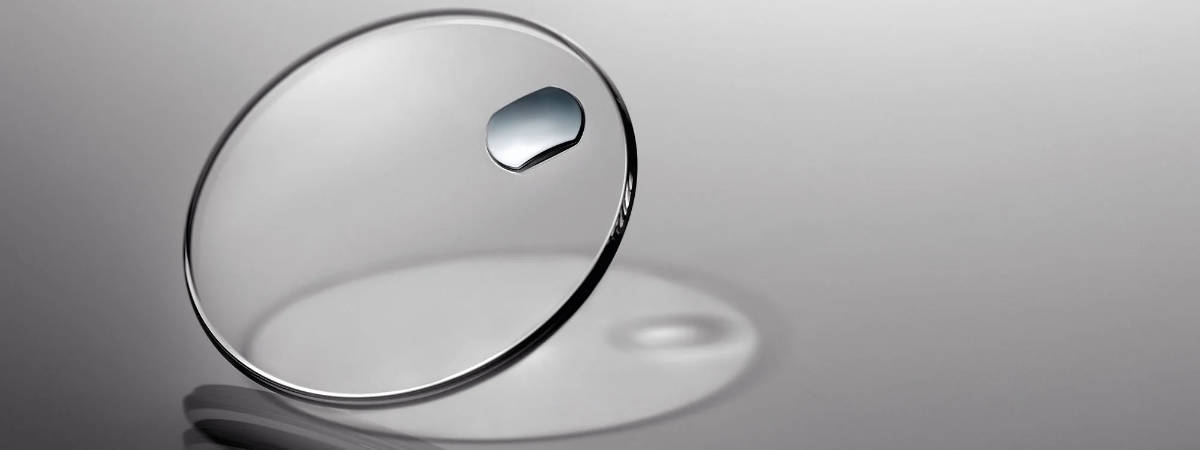
Choosing between OEM watch crystals and aftermarket alternatives is a pivotal decision. OEM crystals, sourced directly from the manufacturer, offer guaranteed fit, finish, and material integrity.
However, sourcing OEM parts for vintage models can be challenging and sometimes costly. For example, finding a genuine acrylic crystal for a vintage Omega Speedmaster 105.012 or a mineral glass for a Seiko 6139-6002 can be difficult due to limited supply.
Aftermarket crystals vary widely in quality. While some reputable manufacturers produce near-OEM quality parts, many low-grade options exist that can harm both the look and value of your watch. Industry experts recommend prioritizing OEM parts whenever possible to protect your watch’s investment value.
Brand-by-Brand Crystal Policy Analysis
- Rolex: Known for strict policies, Rolex crystal replacement with genuine parts preserves value; non-OEM parts are noticeable and detrimental. For example, the Rolex Datejust 16234 (1988-2005) is best serviced with original sapphire crystals.
- Patek Philippe & Vacheron Constantin: Highly collectible dress watches where originality is paramount; OEM replacement is the only acceptable option. The Patek Philippe Calatrava 3919 (1985-2006) is a prime example where crystal authenticity is critical.
- Audemars Piguet: Vintage Royal Oak models like the 5402 require period-correct mineral glass crystals for optimal value retention.
- Heuer: Collectors of the Autavia 2446C or Monaco 1133B seek original acrylic crystals for authenticity.
- Independent watchmakers: Policies vary; authorized service centers provide the safest route for preserving value.
Quality Aftermarket Options: When They Make Sense
- Some luxury watch collectors accept high-quality aftermarket crystals for hard-to-source vintage models if OEM parts are unavailable.
- Aftermarket crystals must adhere to strict quality standards, matching material, thickness, and appearance to the original. For instance, Hesalite acrylic is preferred for vintage Omega Speedmasters, while mineral glass is correct for certain Seiko chronographs.
- When sourced and installed by authorized centers like Omega Watch Repair Peachtree Corners, aftermarket parts can sometimes maintain value.
Crystal Replacement Decision Checklist
- Is the crystal cracked or damaged enough to risk water or dust ingress?
- Is the watch a modern or vintage collectible?
- Can you source an OEM crystal for your specific model?
- Will the replacement be performed by an authorized or highly reputable service center?
- Will you receive and keep detailed service documentation and photographs?
- Is the original crystal available to keep for provenance?
- Have you considered professional polishing as an alternative (for acrylic crystals)?
- Have you checked with your insurance provider about coverage requirements?
Crystal Materials and Investment Implications: Acrylic vs. Sapphire vs. Mineral
The choice of crystal material is another factor influencing your watch’s collectibility and value. Historically, acrylic crystals (including Hesalite, a proprietary acrylic used by Omega) were common on vintage watches, prized for their warmth and ease of polishing.
In contrast, modern luxury watches use synthetic sapphire crystal or mineral glass for enhanced durability and scratch resistance.
Replacing an original acrylic crystal with sapphire may improve scratch resistance but can alter the watch’s character and reduce vintage watch restoration value. Mineral crystals, more typical in mid-tier watches, offer a balance but have less prestige in collector circles.
Technical terms such as “synthetic sapphire,” “Hesalite acrylic,” “mineral glass,” and “plexiglass” are often referenced in service documentation and collector discussions.
The Vintage Acrylic Dilemma: To Replace or Not to Replace
- Collectors often prefer original scratched acrylic crystals for their authentic patina.
- Professional polishing can remove scratches without replacement, preserving originality.
- Replacement acrylic crystals should match the period-correct design to maintain value. For example, Hesalite is correct for pre-moon Omega Speedmasters, while plexiglass is used in vintage Rolex models like the Submariner 5513.
Modern Upgrades: When Sapphire Replacement Adds Value
- Tool watches and daily wear models benefit from sapphire’s superior scratch resistance.
- Some collectors accept sapphire upgrades on modern luxury watches for added durability, such as the use of synthetic sapphire in the Audemars Piguet Royal Oak 15400.
Case Studies: Real-World Crystal Replacement Value Impact
Examining real examples helps illustrate how crystal replacement affects value across brands and models.
- A 1960s Rolex GMT-Master 1675 with original acrylic crystal fetched higher auction prices than identical models with replaced crystals.
- The Omega Speedmaster Professional 145.022 (1968-1981) owner who replaced the original Hesalite crystal with sapphire noticed a slight dip in collector interest despite improved scratch resistance.
- A Patek Philippe Calatrava 5196 (2004-present) with a modified sapphire crystal saw reduced appeal among traditional collectors who value period accuracy.
- Tudor Black Bay heritage models (e.g., Black Bay Fifty-Eight 79030N, 2018-present) with authorized crystal upgrades maintained value due to brand-approved parts and documentation.
- Vintage Zenith El Primero A386 models with original mineral glass crystals consistently outperform those with aftermarket replacements at auction.
- Insurance claims handled through authorized service centers, like those at Cartier Watch Repair Cumming, demonstrate how proper documentation supports value retention after crystal replacement.
Auction House Analysis: Phillips, Christie’s, and Sotheby’s Data
- These auction houses emphasize transparency in service history, often noting crystal replacements in catalog descriptions.
- Watches with original crystals consistently achieve premium hammer prices.
- Clear documentation can mitigate value loss, but undisclosed replacements often lead to bidding hesitancy.
Professional Crystal Replacement: Choosing the Right Service Provider
Selecting a qualified professional for crystal replacement is paramount to protecting your watch’s value. Authorized service centers, like Its About Time Inc., offer factory-trained technicians, genuine parts, and warranty-backed work.
While independent watchmakers may provide personalized service, ensure they have experience with your brand and maintain precise installation standards. For rare vintage models such as the Heuer Monaco 1133B or the Patek Philippe Nautilus 3700, expertise in handling specific crystal materials is essential.
Cost and turnaround times vary: authorized centers often take longer but provide comprehensive quality assurance, while local shops may be faster but risk value impact if the work is substandard. Warranty coverage is generally stronger with authorized providers.
Red Flags: Avoiding Value-Destroying Crystal Replacements
- Use of incorrect crystal specifications that do not match the original (e.g., installing sapphire instead of Hesalite on a vintage Speedmaster).
- Poor installation causing misalignment, leaks, or visual defects.
- Missing or incomplete service documentation that leaves buyers uncertain.
Alternative Solutions: Preserving Value Without Full Replacement
Sometimes, replacing the crystal isn’t the best option. Professional polishing of acrylic crystals can remove scratches and restore clarity without sacrificing originality. Protective films or coatings can guard the crystal from future damage while maintaining its authentic appearance.
Storing your watch carefully and wearing it with intention can reduce the risk of crystal damage. Additionally, comprehensive insurance coverage for crystal damage ensures financial protection without hurried repairs. In many cases, living with minor imperfections preserves value better than replacement.
Future Considerations: Crystal Replacement Trends in 2026
Collector attitudes continue to evolve, with a growing appreciation for restoration that respects originality. Emerging crystal technologies, such as synthetic sapphire blends and enhanced coatings, offer new options for durability without compromising aesthetics.
The rise of smartwatches has shifted some focus away from traditional luxury watches, but serious collectors remain dedicated to preserving authentic vintage pieces. Sustainability concerns also influence restoration choices, encouraging repair over replacement whenever possible.
Frequently Asked Questions About Watch Crystal Replacement and Value
How much value does a luxury watch lose with crystal replacement?
Value loss typically ranges from 15-40%, depending on the watch’s rarity, the quality of the replacement crystal, and how well the service is documented.
Should I replace a cracked crystal on my vintage Rolex?
Only if the crack threatens the movement’s safety or water resistance. Always opt for OEM crystals and maintain thorough documentation to protect value.
Do insurance companies cover original crystal replacement?
Most policies cover like-kind replacements, but it’s essential to review specific terms, as some require OEM parts for full coverage.
Can aftermarket crystals ever maintain investment value?
High-quality aftermarket crystals may minimize value loss, but OEM parts remain the gold standard for preserving investment value.
How can I verify if a luxury watch has its original crystal?
Look for brand-specific markings, period-correct materials, and consult authentication resources such as luxury watch authentication guides. For example, Hesalite acrylic is correct for certain Omega Speedmasters, while synthetic sapphire is standard on modern Rolex models.
Is sapphire crystal replacement worth it on vintage watches?
Generally not recommended for collectible vintage pieces, though acceptable on modern tool watches where durability is prioritized.
Need Expert Watch Repair?
Your watch deserves certified care. Its About Time Inc provides factory-authorized service for luxury brands, from battery replacement to full mechanical repair. Get clear answers, honest pricing, and professional workmanship every step of the way.
Next Steps for Your Luxury Watch
Replacing a crystal on a vintage or luxury watch requires careful consideration of originality, crystal authenticity, and professional service standards. Before proceeding, consult with certified watchmakers or appraisers who specialize in vintage watch restoration and understand the subtle nuances that affect watch investment value crystal.
Protecting your investment means making informed decisions today to enjoy your timepiece for decades to come.