An inherited watch can arrive with a lifetime of memories and very little practical information. You may know who wore it, but not when it was last serviced, whether its parts are original, or whether it is ready to wear. You do not need to answer every question immediately. Start by recording what you have and protecting it from unnecessary changes.
This guide is a first-step checklist for a family timepiece, whether you hope to wear it, keep it for the next generation, or consider selling it. For the wider technical picture, our guide to vintage luxury watch repair and restoration explains the challenges a watchmaker may encounter.
Start Here
- 01 Photograph the watch and gather its records before changing anything.
- 02 Do not force controls, open the case, or polish it to make it look newer.
- 03 Decide what matters to you: daily wear, preservation, or a possible sale.
- 04 Ask for an assessment and an agreed scope before authorizing work.
1. Record the Watch’s Story Before Its Details Are Lost
Write down who owned the watch, how they acquired it, and any dates or occasions connected with it. Ask relatives about repairs, replacement straps, engravings, and long periods in storage. Keep family recollections separate from documented facts; both can be meaningful, but they are not the same evidence.
Take clear photographs of the dial, case back, crown, bracelet or strap, clasp, and any visible damage. Photograph accessible markings without removing parts. Keep full serial numbers in your private records rather than posting them publicly. Save receipts, service invoices, warranty papers, spare links, boxes, and older photographs showing the watch being worn.
A missing box or service record is not a reason to abandon the watch. Tell the workshop what is unknown instead of guessing a model, age, or service date. A brand name on the dial is a starting point, not a complete identification.
2. Resist the Urge to Wind, Clean, or Wear It Straight Away
If its condition and service history are unknown, arrange an assessment before making it a daily wearer. A watch that starts ticking is not necessarily ready for regular use. Equally, a stopped watch is not automatically beyond repair: the cause depends on its movement and condition.
- Do not force a resistant crown or pusher. Avoid repeatedly testing controls to see whether they will free themselves.
- Do not open the case yourself. Leave internal inspection and battery handling to an appropriate repair provider.
- Keep it away from water. An old water-resistance marking does not establish its present condition. Read about watch pressure testing and when it is needed before relying on that rating.
- Avoid home polishing and liquid cleaning. Preserve its current condition until the case, dial, seals, and materials have been assessed.
- Report visible moisture or damage promptly. Tell the workshop about condensation, a cracked crystal, or loose components instead of continuing to wear the watch.
Do not apply instructions for a modern model indiscriminately to a much older watch. Use the instructions for the exact reference where available; for example, Patek Philippe provides official guidance on finding model instructions and service support.
3. Decide What You Want the Watch to Become
There is no single correct goal for every inherited watch. Your choices should reflect the watch’s condition and what it means to you, not an assumption that everything old needs to look new.
A watch you want to wear
Explain how often you intend to wear it and in what conditions. Ask about movement service, secure strap or bracelet fit, and limitations on use. Reliable operation and preserving character can both matter, but keeping every component may not be practical.
A family keepsake you want to preserve
Tell the watchmaker which details matter: an engraving, a worn case finish, the dial your relative knew, or the original hands. Ask what can remain untouched and what needs attention even if you do not plan to wear it. Our watch storage guide offers further care considerations.
A watch you may sell
Ask for guidance before spending on cosmetic restoration solely to improve a possible offer. Repair costs do not automatically translate into an equivalent increase in sale price. Read our advice on service decisions before selling a luxury watch, or explore the workshop’s watch-selling process. A purchase offer is not the same as a formal insurance or estate appraisal.
Unsure Where to Start with a Family Watch?
Tell us what you know, what you do not know, and what you hope to do with the watch. Our Johns Creek team can discuss the next step and confirm whether the model is suitable for assessment.
4. Separate Necessary Repairs from Cosmetic Changes
Before agreeing to “restoration,” ask exactly what that word includes. Servicing the movement, replacing a damaged crystal, polishing the case, and refinishing the dial are different decisions. An estimate should not leave you wondering which of them you have approved.
For an older or collectible watch, read how polishing can affect a vintage watch’s originality and value. If the dial has aged, our comparison of dial refinishing, replacement, and preservation explains the choices to discuss. Neither treatment should be an automatic step simply because a dial looks old.
Original parts also have to be suitable for continued use. The workshop’s article on preserving original components during vintage Omega service illustrates why condition can make replacement necessary. Ask what is proposed, whether appearance may change, and how additional findings will be approved. No one can promise from exterior photographs that every component will be reusable.
5. Bring a Clear Checklist to the Assessment
Take your photographs and records, along with a short list of questions. You do not need technical vocabulary to explain your priorities.
- What can you identify about this watch, and what remains uncertain?
- Which work is needed for function, and which work is optional or cosmetic?
- Can my preferred dial, hands, finish, and engraving be preserved?
- Which parts might need replacement, and when will that become clear?
- Will any work be referred elsewhere, and is manufacturer service more appropriate?
- What does the estimate include, and will you contact me before additional work?
- What testing, written warranty terms, and records will accompany the completed work?
- Can replaced parts be returned, subject to the applicable parts policy?
For context on movement work, see what a full watch service includes. If you inherited a Rolex, our vintage Rolex restoration versus modern servicing guide addresses model-specific preservation choices in more detail.
A Family Watch Deserves More Than a Cosmetic Makeover
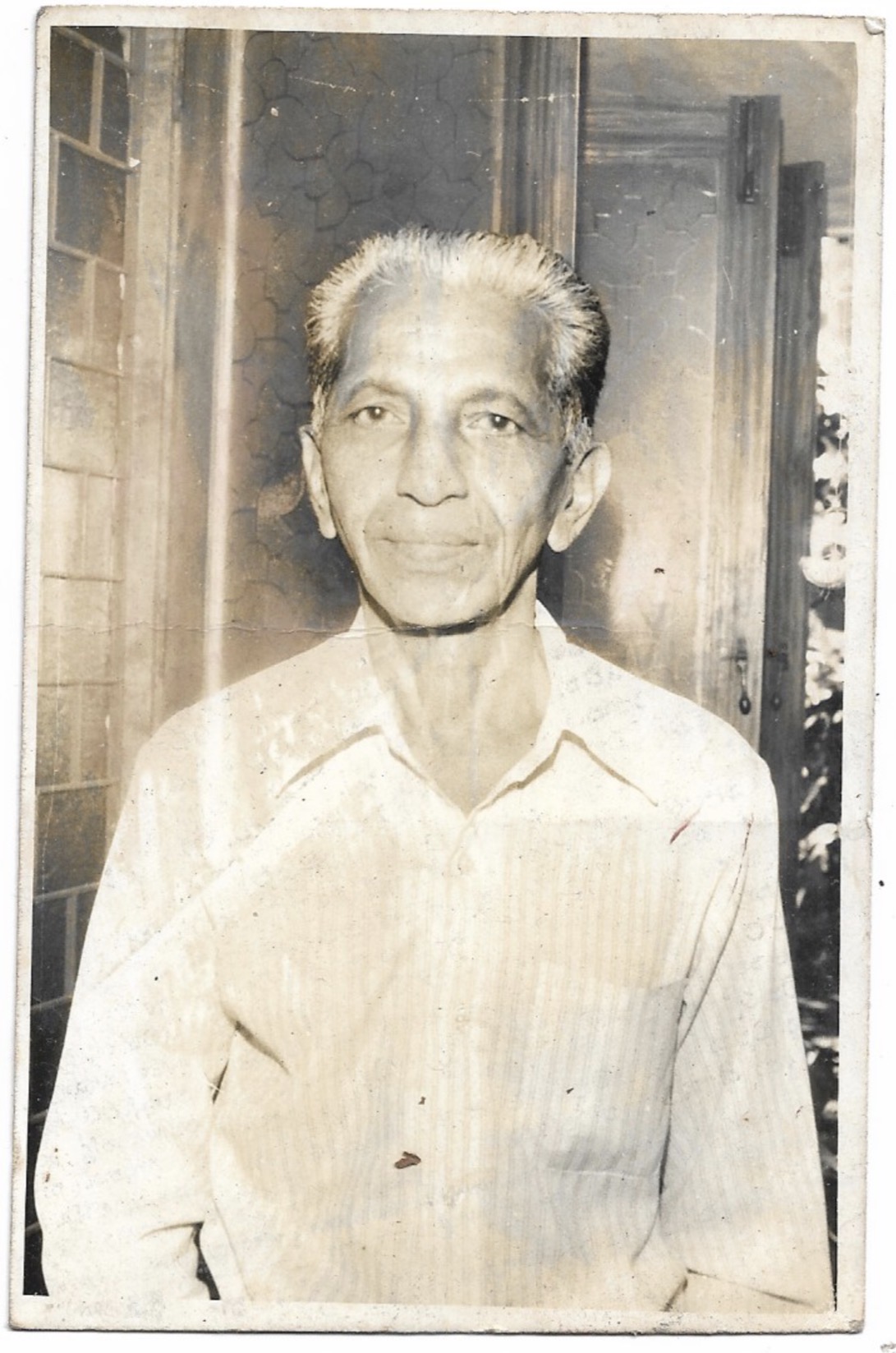
Family history is part of the story at It’s About Time, too. Our family watchmaking history begins with Robert Perera in Sri Lanka and continues through later generations. That history is a reminder that the significance of a timepiece is not always captured by its appearance or a sale price.
You may choose to retain a mark that reminds you of its previous owner. You may instead need practical changes to wear the watch comfortably. The important point is to make those decisions knowingly, with the watch’s condition and your preferences both understood.
Visiting or Sending Your Inherited Watch
Atlanta-area owners can contact the Johns Creek workshop to discuss the watch before bringing it in. Share the brand, any visible reference, photographs, and what you know about its condition. Confirm model acceptance before arranging delivery; age or brand alone does not guarantee that every repair can be undertaken.
If you are outside the area, follow our watch repair shipping guide and confirm the workshop’s instructions before dispatch. Keep copies of your records and the shipment details. Do not send irreplaceable family documents unless specifically needed and agreed.
Frequently Asked Questions
Should I service an inherited watch if it still runs?
Running is only one observation, not a complete condition report. With an unknown service history, an assessment can establish whether work is appropriate before regular wear. Not every watch needs the same treatment.
Can I get help without the original box or papers?
Yes, you can ask the workshop to assess it with the information available. Missing documents can leave gaps in its history; an inspection cannot necessarily resolve every question about provenance.
Should I polish it before bringing it in?
No preparation of that kind is needed. Bring it in its current condition and discuss cleaning or refinishing after inspection. Do not use polishing as a way to reveal markings or make photographs look better.
Can you tell me what it needs from photographs?
Photographs help start the conversation, but they cannot establish the condition of all internal components. The scope, cost, and timing of repair depend on assessment and, in some cases, findings during disassembly.
Does sentimental value mean I should approve a full restoration?
Not necessarily. A targeted repair, careful preservation, or no cosmetic work may better match your wishes. Explain which details are important before approving changes.
Plan the Next Chapter for Your Watch
Start with a conversation about its history, condition, and your goals. Request an assessment before committing to repair or cosmetic restoration.