Benrus watches are American-made timepieces with over a century of history, known for their military-grade durability, innovative designs, and strong collector appeal. Vintage models sell for $300 to $1,500 or more at auction, making them a compelling choice for serious watch enthusiasts.
Some watches tell time. Others tell stories. A Benrus on your wrist does both. Whether you inherited one from a grandfather who served overseas, spotted one at an estate sale, or simply fell down the rabbit hole of American horological history, there is something distinctly compelling about this brand. From wartime field watches to mid-century dress pieces, Benrus built a reputation that decades of market shifts have not erased. If you are curious about what makes these timepieces worth your attention, you are in the right place.
Key Takeaways
- Military heritage defines the brand. Benrus supplied field watches to the U.S. Army during WWII and the Vietnam War, cementing a reputation for precision and durability that collectors still prize today.
- Vintage models carry real value. Depending on condition and rarity, vintage Benrus watches can sell for $300 to $1,500 or more, making them a worthwhile addition to any serious collection.
- Craftsmanship was a core identity. At its peak, Benrus held over 40 patents, reflecting a genuine commitment to horological innovation rather than simply following trends.
- Do not assume vintage means functional. Always verify the authenticity and working condition of any Benrus watch before purchasing, especially through online marketplaces.
- The brand has been relaunched. Modern Benrus continues to honor its legacy while introducing contemporary designs that appeal to both new collectors and longtime enthusiasts.
A Century of Benrus: A Journey Through Time
Few American watch brands can claim a legacy as layered as Benrus. Founded in 1921 by Benjamin Lazrus, the company grew from a modest import operation into one of the most recognized names in domestic watchmaking. By the 1950s, Benrus had earned a place among the top three watch brands in the United States, competing directly with household names and winning loyal customers across the country, as documented in National Association of Watch and Clock Collectors (NAWCC) records.
Understanding where Benrus fits in the broader history of American watchmaking helps explain why these timepieces still generate such enthusiasm among collectors. The brand did not simply manufacture watches; it shaped the expectations American consumers had for what a quality watch should look and feel like.
The Rise to Prominence
During the mid-20th century, Benrus competed directly with giants like Bulova and Elgin. That is no small feat. The American watch market of that era was fiercely competitive, and brands that survived did so by offering real value, reliable movements, and designs that resonated with everyday buyers.
Benrus achieved this through a combination of smart marketing and genuine product quality. Their catalog ranged from entry-level everyday pieces to refined dress watches, giving them broad appeal across income levels. That versatility was a significant factor in their sustained growth through the postwar economic boom.
Innovation and Patents
At its peak, Benrus held over 40 patents registered with the U.S. Patent and Trademark Office, a figure that speaks to the brand’s genuine investment in horological advancement. These patents covered everything from case construction to movement improvements, reflecting a company that treated innovation as a competitive advantage rather than an afterthought.
This culture of invention is part of what makes vintage Benrus pieces so interesting to study. Many models incorporated design elements that were ahead of their time, and identifying those features is one of the quiet pleasures of collecting this brand.
Benrus in the Military: Watches That Served
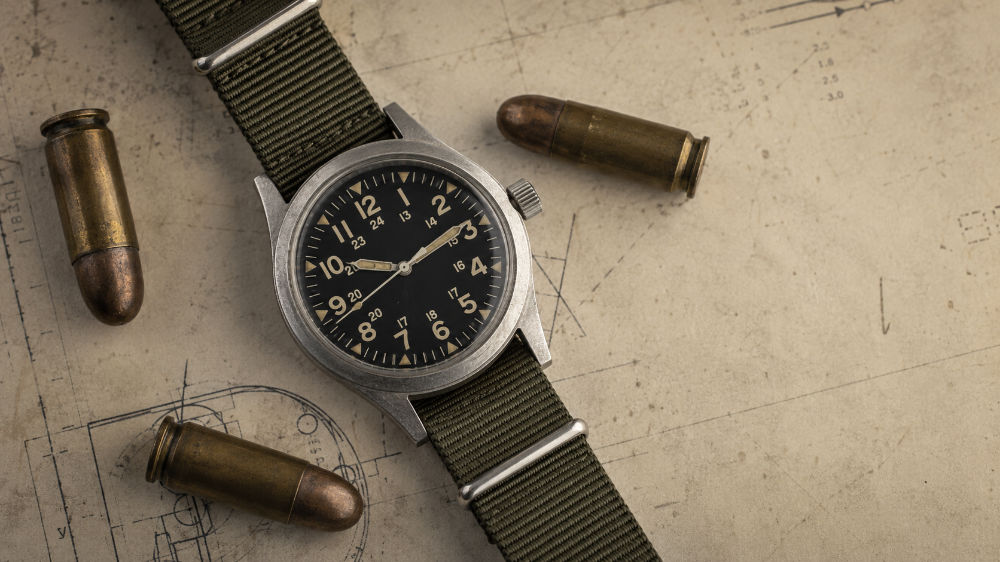
If there is one chapter of Benrus history that elevates the brand above ordinary collectibles, it is the military chapter. Benrus supplied field watches to the U.S. Army during both World War II and the Vietnam War, producing timepieces built to perform under conditions that would destroy lesser instruments. These were not decorative pieces. They were tools, expected to function accurately in heat, humidity, dust, and physical stress.
That functional legacy is a significant reason why Benrus military watches command premium prices in today’s collector market. Owning one is, in a real sense, owning a piece of documented American military history.
Military Contracts and Specifications
Benrus military watches were produced under MIL-W-3818 specifications, as documented in U.S. Army Quartermaster Museum and NAWCC records. These specifications dictated precise standards for accuracy, case construction, crystal type, and strap materials. Meeting them required a level of manufacturing discipline that not every brand of the era could manage.
The watches produced under these contracts typically featured hack mechanisms for synchronizing time, luminous dials for low-light readability, and durable stainless steel cases. Each detail served a purpose, and that purposefulness is precisely what makes these models so compelling to serious collectors today.
Authenticating Military Models
Authenticating a military Benrus requires attention to several specific details. Genuine examples will carry case back engravings that reference government contract numbers, inspection marks, and the MIL-W specification designation. The dial markings should also reflect the correct era of production, with no anachronistic fonts or printing styles.
- Check the case back for contract numbers and inspection stamps
- Verify dial text matches known examples from documented references
- Confirm the crown and pusher placement matches the relevant specification
- Cross-reference with collector databases and NAWCC resources
- Consult a certified watchmaker who has experience with vintage military pieces
If you are uncertain about a piece’s provenance, a specialist who handles vintage timepieces regularly is your most reliable resource. Guesswork on a potentially valuable military watch is a risk not worth taking.
Collecting Vintage Benrus: A Guide for Enthusiasts
The vintage watch market was valued at approximately $18 billion in 2023, according to industry research tracking pre-owned luxury timepiece sales, and that number has continued to climb as more collectors recognize the appeal of mid-century American brands. Benrus sits in an interesting position within this market: accessible enough for newer collectors, yet historically significant enough to hold its value and attract serious buyers.
Vintage Benrus models typically sell for $300 to $1,500 or more at auction, depending on condition, rarity, and provenance. Military models and limited production variants tend to sit at the higher end of that range. For guidance on protecting the value of any vintage timepiece you acquire, understanding vintage watch crystal replacement value is a practical starting point.
Model Identification and Valuation
Identifying a vintage Benrus model begins with the case back. Most examples carry a model reference number stamped into the metal, which can be cross-referenced with collector catalogs and online databases. The dial design, case shape, and movement caliber also provide useful identification clues.
For valuation purposes, condition is the single most important factor. A watch with its original dial, unpolished case, and functioning movement will consistently outperform a heavily worn or refinished example at auction. Original boxes and papers, when present, add meaningful value as well.
- Locate the model number on the case back or movement
- Compare dial and case details against documented references
- Assess the condition of the crystal, dial, hands, and case independently
- Research recent auction results for comparable examples
- Have the movement inspected by a qualified watchmaker before purchasing
Common Pitfalls When Buying Vintage
The vintage watch market rewards the informed and occasionally punishes the hasty. Counterfeit dials, replaced movements, and misrepresented condition grades are real concerns, particularly on general online marketplaces where seller expertise varies widely. Learning to spot a fake luxury watch applies equally well to vintage American brands like Benrus.
Redial jobs are among the most common issues. A watch with a refinished or replaced dial loses a significant portion of its collector value, even if it looks pristine. Always ask for detailed photographs of the dial under magnification and request information about any known service history.
Common Pitfalls to Avoid
- Purchasing without verifying the movement’s working condition
- Overlooking signs of dial refinishing or replacement
- Trusting seller descriptions without independent verification
- Ignoring case back engravings that do not match documented specifications
- Skipping a pre-purchase inspection by a certified watchmaker
Modern Benrus: Bridging Heritage and Innovation
The Benrus name did not disappear when the original company’s production slowed. It was eventually relaunched with the intention of honoring the brand’s historical identity while introducing watches that meet contemporary expectations. Understanding what this relaunch represents, and how it compares to the original brand, is useful context for anyone considering a modern Benrus purchase.
The relaunch leans heavily on the military heritage narrative, which makes sense given how strongly that chapter of the brand’s history resonates with today’s watch buyers. Vintage-inspired aesthetics, tool watch proportions, and references to the original MIL-W specifications appear throughout the modern lineup.
New Models and Their Appeal
Contemporary Benrus watches are designed to appeal to buyers who appreciate the brand’s story but want a reliable, modern movement inside a familiar aesthetic shell. The new models typically feature quartz or automatic movements, updated case materials, and improved water resistance compared to their mid-century predecessors.
Market reception has been generally positive among enthusiasts who value the historical connection. For collectors interested in exploring where Benrus fits within the broader landscape of collectible timepieces, the luxury watch collecting for beginners guide for 2026 offers useful perspective on how to evaluate brands across different price points and heritage categories.
Potential Advantages of Modern Benrus
- Access to a storied American brand identity without vintage market premiums
- Modern movements offer improved reliability and easier servicing
- Vintage-inspired aesthetics that reference the original military models
- More accessible price points for newer collectors
- Growing brand awareness as the heritage narrative gains traction
Challenges and Opportunities
Modern Benrus faces the same challenge every relaunched heritage brand encounters: earning credibility with an audience that remembers, or has deeply researched, the original. Enthusiasts who collect original Benrus pieces are a discerning group, and they tend to evaluate relaunched brands carefully before extending their loyalty.
The opportunity, however, is real. There is a growing segment of watch buyers who want American-branded timepieces with genuine historical roots at prices that do not require the investment that a vintage military piece demands. If modern Benrus can consistently deliver quality and maintain honest storytelling about what the brand is today versus what it was, the market position is there to build on.
For anyone weighing whether a modern or vintage piece better suits their collection, a conversation with an experienced watchmaker who handles both categories is a smart first step. Shops that specialize in watch repair in Atlanta and surrounding areas often carry the kind of hands-on knowledge that online research alone cannot replicate.