
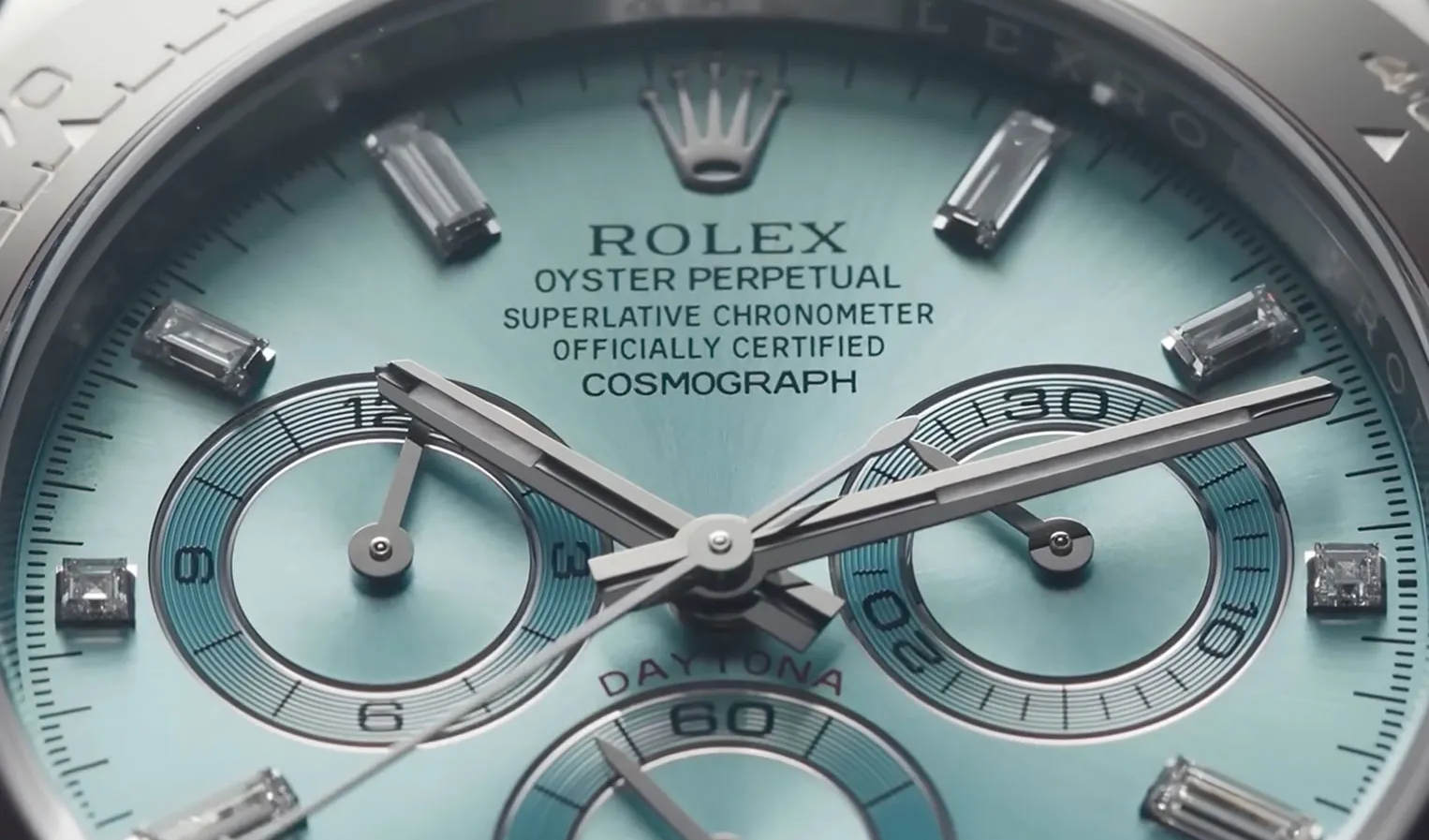
Luxury Watches: More Than Just Timekeepers
A luxury watch is defined as a high-end timepiece crafted from premium materials, featuring exceptional craftsmanship, and often produced by renowned heritage brands. These watches are much more than devices that tell time; they are a true expression of craftsmanship, heritage, and style.
In 2026, these elegant timepieces continue to captivate enthusiasts and collectors alike, standing strong in a world dominated by digital devices. Their ability to blend tradition with modern innovation ensures they remain relevant and highly sought after.
Whether worn as a symbol of achievement or appreciated for their intricate engineering, luxury watches tell stories that go beyond the face of the dial. From classic designs to contemporary masterpieces, these watches represent a timeless passion that connects generations.
Quick Answer: Luxury watches represent precision engineering, timeless craftsmanship, and a symbol of status. In 2026, they remain a coveted accessory and a smart investment for collectors.
Direct Price Point: Entry-level luxury watches typically start at around $4,000 to $7,000 USD, while high-end models from brands like Patek Philippe and Audemars Piguet can exceed $500,000 to $1,000,000 USD depending on rarity and complications.
A Brief History of Luxury Watches
The Evolution of Luxury Timepieces
Luxury watches have come a long way from their origins in the 16th century. Back then, the first portable timepieces were intricate pocket watches made by master craftsmen for aristocrats and royalty. These early designs weren’t particularly accurate, but they were symbols of status and wealth, often decorated with gold, enamel, and gemstones.
By the late 19th and early 20th centuries, wristwatches started gaining traction. Initially worn by women, they became more mainstream among men during World War I, when soldiers needed a practical way to tell time in the trenches. This marked a pivotal shift from ornamental to functional design, giving rise to iconic brands like Rolex, Patek Philippe, and Omega, who would later define the luxury watch space.
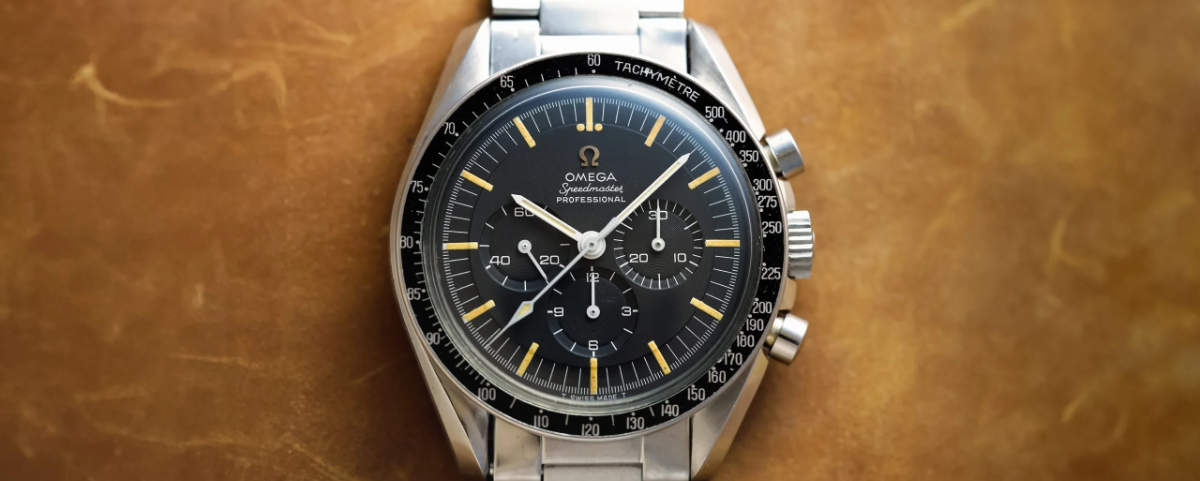
In the 1950s and ’60s, mechanical watchmaking hit its golden age. This era introduced legendary models like the Rolex Submariner and the Omega Speedmaster, the latter famously worn during NASA’s Apollo missions. Watches became associated with exploration, precision, and prestige, solidifying their place as functional heirlooms.
Then came the 1970s, and with it, the Quartz Crisis. Japanese brands like Seiko released quartz-powered watches that were cheaper, more accurate, and easier to produce than their mechanical counterparts. The Swiss industry was rocked. Dozens of traditional watchmakers closed their doors, while others adapted by emphasizing craftsmanship, heritage, and technical complexity.
Today, luxury watches continue to thrive in a digital world by offering something smartphones can’t: emotional value, heritage, and timeless style. Whether it’s a collector investing in a Vacheron Constantin minute repeater or a first-time buyer opting for a sleek Cartier Tank, the story of luxury watches is still being written—one tick at a time.
Iconic Moments in Watch History
- The Rolex Oyster (Ref. 6263): Introduced as the world’s first waterproof wristwatch, it set a new standard for durability and performance.
- The Moonwatch (Omega Speedmaster Professional Ref. 105.012): Omega’s Speedmaster became legendary as the first watch worn on the moon, cementing its iconic status in space history.
- The Seiko Astron (1969): The world’s first quartz wristwatch, it kicked off a revolution in precision and affordability.
- The Royal Oak (Audemars Piguet, 1972): Introduced the first luxury sports watch in stainless steel, redefining modern watch design.
- The Patek Philippe Caliber 89 (1989): Released with 33 complications, it was the most complex mechanical watch of its time.
The Craftsmanship Behind Luxury Watches
What Makes a Luxury Watch Unique?
Luxury watches are a perfect blend of art and engineering. They use only the finest materials such as gold, platinum, and sapphire crystal, ensuring both beauty and resilience.
The complexity of their movements often includes complications like chronographs, perpetual calendars, and tourbillons, showcasing technical prowess beyond simple timekeeping.
A mechanical watch is defined as a timepiece powered by a manually wound or automatic movement, relying on intricate gears and springs rather than batteries.
Beyond materials and movement types, what truly sets luxury watches apart is the human touch. Each piece is carefully assembled, regulated, and finished by skilled watchmakers, often with hours spent on details most owners will never see.
From hand-polished components to rigorous accuracy testing, this level of care turns a watch into something more than a tool for telling time. It becomes a lasting expression of craftsmanship, heritage, and personal style.
In contrast, a quartz watch is defined as a watch powered by a battery and regulated by a quartz crystal, offering high accuracy and low maintenance.
The Role of Iconic Watchmakers
Master watchmakers such as Patek Philippe (notably the Grand Complications Ref. 5270P) and Audemars Piguet (famed for the Royal Oak Ref. 15202ST) are celebrated for their dedication to precision and aesthetics.
These heritage watch brands continue to uphold their legacy in 2026 by combining traditional handcrafting techniques with selective modern innovations, ensuring every watch is a masterpiece.
Top Luxury Watch Brands to Know in 2026
Heritage Watch Brands Worth Exploring
Brands like Rolex, Patek Philippe, and Audemars Piguet remain at the pinnacle of luxury watchmaking. Their timeless designs and meticulous craftsmanship make them highly desirable. Meanwhile, brands such as Cartier and Jaeger-LeCoultre are experiencing a resurgence, blending their rich histories with contemporary appeal.
Many of these brands are headquartered in Switzerland’s most prestigious watchmaking regions, including Geneva, the Vallée de Joux, La Chaux-de-Fonds, and Biel/Bienne.
These Swiss regions are renowned for their horological heritage and are home to the world’s most celebrated ateliers.
| Brand | Founded | Signature Features | Notable Models | Price Range (USD) |
|---|---|---|---|---|
| Rolex (Geneva, Switzerland) | 1905 | Precision, durability, iconic designs | Submariner Ref. 126610LN, Daytona Ref. 116500LN, Datejust Ref. 126334 | $7,000 – $100,000+ |
| Patek Philippe (Geneva, Switzerland) | 1839 | Complications, hand-finishing, exclusivity | Nautilus Ref. 5711/1A, Calatrava Ref. 6119G, Grand Complications Ref. 5270P | $20,000 – $1,000,000+ |
| Audemars Piguet (Le Brassus, Vallée de Joux, Switzerland) | 1875 | Avant-garde design, craftsmanship | Royal Oak Ref. 15202ST, Royal Oak Offshore Ref. 26470ST | $25,000 – $500,000+ |
| Cartier (La Chaux-de-Fonds, Switzerland) | 1847 | Elegant design, jewelry watches | Santos Ref. WSSA0030, Tank Louis Ref. WGTA0011, Ballon Bleu Ref. WSBB0039 | $5,000 – $100,000+ |
| Omega (Biel/Bienne, Switzerland) | 1848 | Precision, space heritage, innovation | Speedmaster Professional Ref. 310.30.42.50.01.001, Seamaster Diver 300M Ref. 210.30.42.20.01.001, Constellation Ref. 131.10.39.20.01.001 | $4,000 – $80,000+ |
Direct Price Point Answers: If you are looking for a starting point, expect to pay at least $4,000 to $7,000 USD for an entry-level luxury watch from Omega or Rolex. Mid-range luxury watches from Cartier or Audemars Piguet generally start from $20,000 to $25,000 USD.
Ultra-high-end models from Patek Philippe can command prices well above $100,000 USD, with rare or limited editions reaching $1,000,000 USD or more.
Emerging Trends in Luxury Watchmaking
- Sustainability: Many brands now prioritize eco-friendly materials and ethical production methods.
- Smart Luxury Watches: The rise of hybrid models that integrate traditional mechanical movements with modern technology offers a fresh take on luxury.
- Customization and Bespoke Design: Watchmakers are offering more personalized options, from engraved casebacks to custom dials and straps, giving collectors a deeper connection to their timepieces.
- Neo-Vintage Aesthetics: Modern watches inspired by classic designs are gaining popularity, blending retro styling with updated materials and movements for timeless appeal.
Luxury Watches as Investments
The Rising Popularity of Vintage Luxury Watches
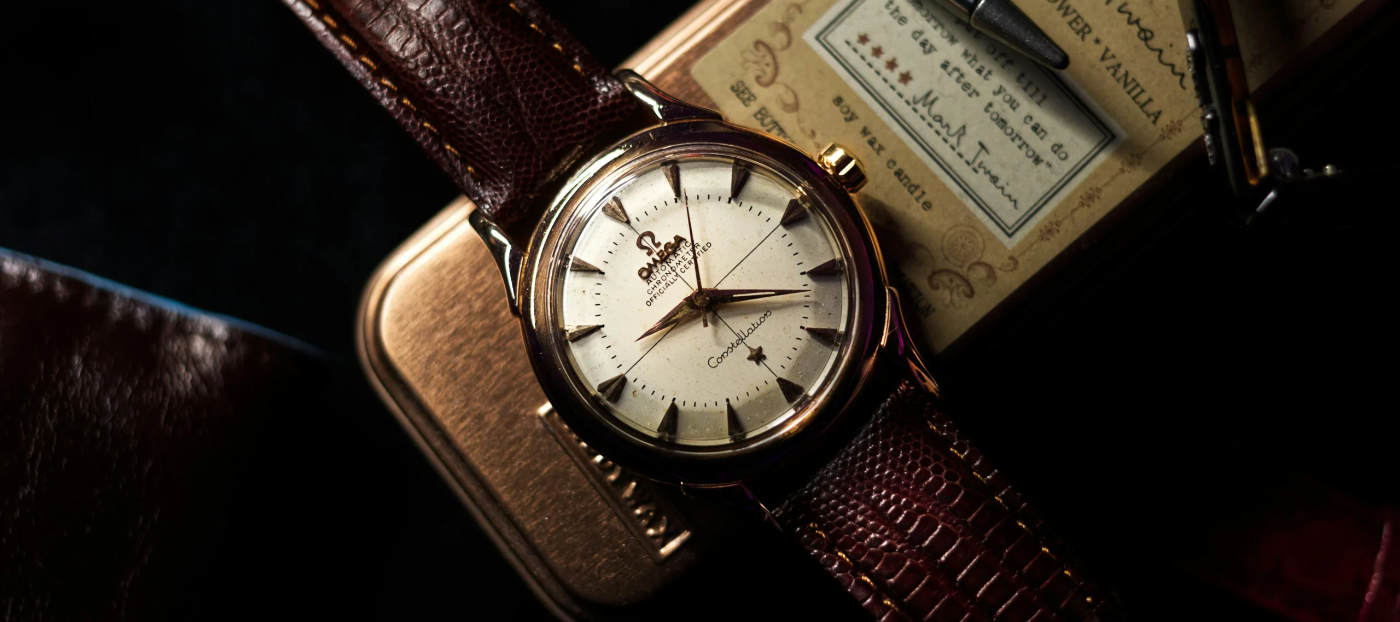
Vintage luxury watches attract collectors for their historical significance and unique stories. Models from renowned brands such as the Rolex Submariner Ref. 1680, Patek Philippe Nautilus Ref. 3700, and Omega Speedmaster Ref. 145.022 often appreciate significantly over time, making them a reliable choice for investment.
Collectors value authentic pieces that preserve their original charm and craftsmanship. Direct Price Point: Vintage luxury watches from top brands can range from $10,000 USD for more common models to $500,000 USD or more for rare, historically significant pieces.
Tips for Investing in Luxury Watches
- Research limited editions and rare models that tend to increase in value, such as Audemars Piguet Royal Oak “Jumbo” Extra-Thin Ref. 15202ST or Patek Philippe Aquanaut Ref. 5167A.
- Prioritize watches in excellent condition with verified provenance.
-
Track market trends and collector demand. Certain brands, models, or discontinued references can surge in value due to pop culture moments, anniversaries, or scarcity.
-
Keep original box and papers. Complete sets significantly boost resale value and make authentication easier for potential buyers.
-
Focus on reputable brands with strong resale history. Stick to legacy names like Rolex, Patek Philippe, and Audemars Piguet, which consistently hold or appreciate in value over time.
For those interested in exploring which timepieces are gaining value, resources such as the watch blogs provide valuable insights into the market trends and how to spot a fake luxury watch.
How to Choose the Perfect Luxury Watch
Matching a Watch to Your Lifestyle
Choosing a luxury watch means finding one that fits your daily needs and personal style. Dress watches are defined as slim, elegant timepieces designed for formal occasions, often featuring minimalist dials and precious metals.
Sports watches are defined as robust, water-resistant watches built for durability and active lifestyles, frequently including features like chronographs or rotating bezels. Dress watches are ideal for formal occasions, offering understated elegance. Sports watches, on the other hand, provide durability and practical features for active lifestyles.
| Type | Definition | Key Features | Best For |
|---|---|---|---|
| Dress Watch | Slim, elegant watch for formal occasions | Minimalist dial, precious metals, leather strap | Business, black-tie events |
| Sports Watch | Durable, water-resistant watch for active use | Chronograph, rotating bezel, robust case | Outdoor, sports, casual wear |
| Diver’s Watch | Specialized sports watch for underwater use | High water resistance, luminous markers | Diving, water sports |
| Pilot Watch | Watch designed for aviators | Large dial, clear numerals, GMT function | Travel, aviation |
| Smart Luxury Watch | Hybrid of traditional luxury and smart features | Connectivity, fitness tracking, notifications | Tech-savvy users, daily wear |
Direct Price Point: Dress watches from luxury brands typically start at $5,000 USD, while sports and diver’s watches can range from $7,000 USD for entry-level models to over $100,000 USD for high-end or limited editions.
Understanding Watch Features and Materials
Consider key factors such as water resistance and the type of movement, mechanical or quartz. The choice between leather straps and metal bracelets also impacts comfort and style. Each material offers a different look and feel, so selecting the right one depends on your preferences.
The Future of Luxury Watches in 2026 and Beyond
Balancing Tradition and Technology
Luxury watchmakers are increasingly embracing hybrid smartwatches that combine classic mechanical features with modern digital functions. This balance allows brands to honor their heritage while appealing to tech-savvy consumers.
Sustainability in Watchmaking
Eco-friendly practices are becoming a central focus. Many brands lead the charge by using recycled materials and sustainable production techniques. In 2026, this commitment to sustainability is reshaping the luxury watch industry and attracting conscientious buyers.
Need Expert Watch Repair?
Your watch deserves certified care. Its About Time Inc provides factory-authorized service for luxury brands, from battery replacement to full mechanical repair. Get clear answers, honest pricing, and professional workmanship every step of the way.
Frequently Asked Questions
Why are luxury watches so expensive?
Luxury watches command high prices due to their use of premium materials and the intricate craftsmanship involved in their creation. The reputation and exclusivity of brands further add value, making each watch a unique and desirable piece. Direct Price Point: Expect to pay at least $4,000 USD for a new luxury watch, with prices for rare or highly complicated models reaching $1,000,000 USD or more.
What are the best luxury watch brands in 2026?
Top brands include Rolex, Patek Philippe, Audemars Piguet, and Omega, which have maintained their prestige over decades. Many of these brands are based in Switzerland’s renowned watchmaking regions, such as Geneva and the Vallée de Joux. Emerging brands that blend tradition with innovation are also gaining attention in 2026.
Are luxury watches a good investment?
Many luxury watches appreciate in value, especially rare and limited-edition models like the Patek Philippe Nautilus Ref. 5711/1A or Rolex Daytona Ref. 116500LN. Factors like brand reputation, condition, and rarity significantly influence investment potential. Direct Price Point: Investment-grade watches often start at $20,000 USD and can exceed $500,000 USD for highly sought-after references.
What should I look for when buying a vintage luxury watch?
Focus on the watch’s condition, authenticity, and documented provenance. Availability of original parts and certificates enhances value and ensures a trustworthy purchase. Notable vintage models to consider include the Omega Speedmaster Ref. 145.012 and Audemars Piguet Royal Oak Ref. 5402. Direct Price Point: Vintage luxury watches in good condition typically range from $10,000 USD to over $250,000 USD depending on rarity and brand.
How do I maintain a luxury watch?
Regular servicing by certified professionals is essential to keep your watch in optimal condition. Proper storage and avoiding extreme temperatures or shocks also help preserve its longevity. For trusted service options, consider providers like Its About Time Inc Watch Repair Atlanta.
Ready to restore your timepiece with precision and care? Our experienced technicians handle everything from simple tune-ups to full mechanical overhauls. Let us bring your watch back to life.